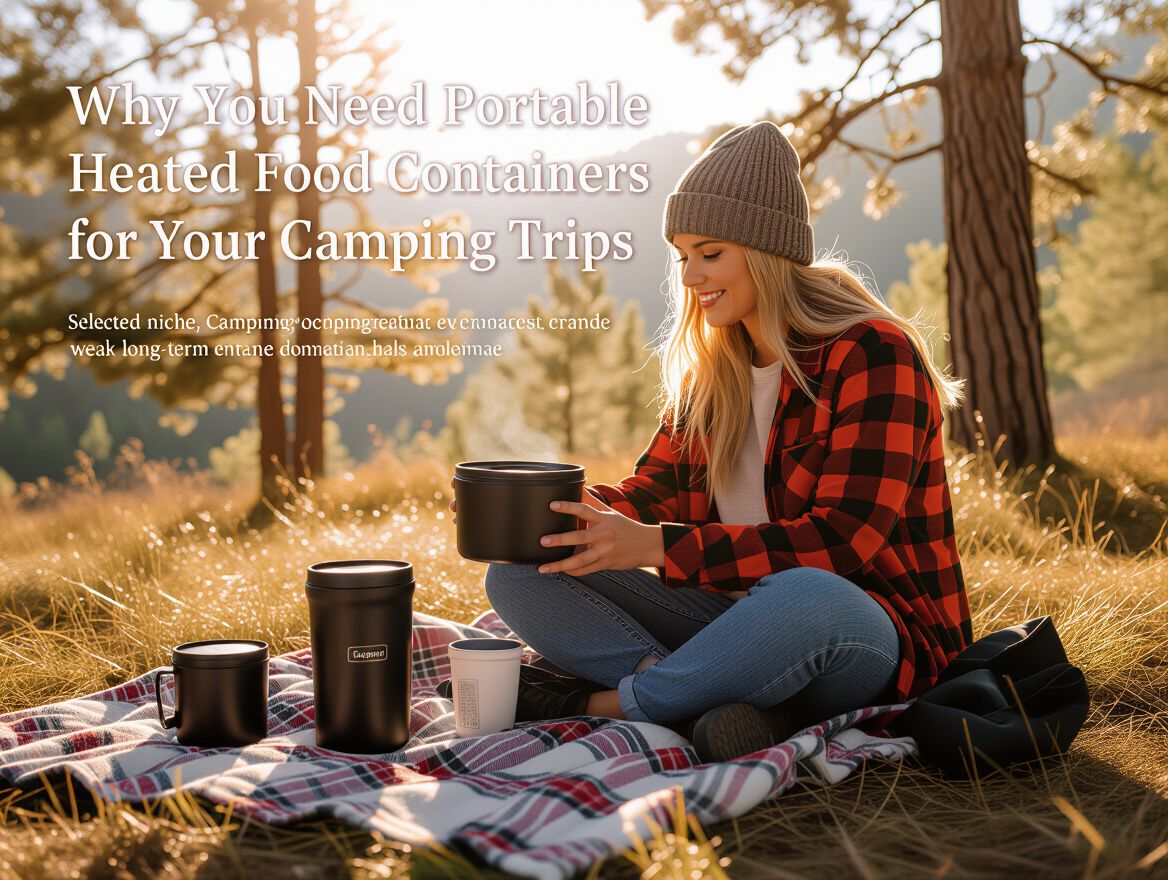
Why You Need Portable Heated Food Containers for Your Camping Trips
The Importance of Keeping Food Warm While Camping
When camping, one of the most common challenges is maintaining the temperature of your meals. Cold food can detract from the enjoyment of outdoor adventures, especially after a long day of hiking or exploring. Traditional methods, such as using thermoses or wrapping food in blankets, often fall short, leaving meals lukewarm or unappetizing.
Portable heated food containers offer a practical solution to this issue. These containers are designed to keep your meals warm, allowing you to enjoy hot, satisfying food whenever hunger strikes. Their convenience and efficiency can transform your camping experience, ensuring that you have nourishing meals ready to eat, no matter the weather or timing.
In this article, we will explore the various benefits of using portable heated food containers for camping. We’ll discuss key factors to consider when selecting one, trade-offs involved, and how to best fit these containers into your outdoor cooking plans. By understanding these elements, you can make an informed decision that enhances your camping trips.
Key Features to Look for in Portable Heated Food Containers
When selecting portable heated food containers for your camping adventures, understanding the essential features can significantly enhance your experience. Here are key criteria to consider:
-
Heating Capacity and Temperature Control: Look for containers that offer adjustable temperature settings to suit different types of food. A higher heating capacity can ensure that your meals stay warm for extended periods, making it easier to enjoy a hot meal after a long day outdoors.
-
Portability and Weight Considerations: Choose containers that are lightweight and easy to carry. If you’re hiking or backpacking, the weight of your gear matters. Opt for compact designs that fit well in your pack without taking up too much space.
-
Material Durability and Ease of Cleaning: Select containers made from durable materials that can withstand the rigors of outdoor use. Stainless steel and high-grade plastics are often preferred for their robustness. Additionally, consider containers that are easy to clean, as this will save you time and effort during your camping trip.
-
Battery Life and Charging Options: Evaluate the battery life of the heated containers, especially if you plan to camp in remote areas without easy access to power. Some models may offer multiple charging options, such as car chargers or solar panels, which can be advantageous on longer trips.
By focusing on these features, you can find a portable heated food container that meets your needs and enhances your camping experience, ensuring that your meals are warm and enjoyable no matter where your adventures take you.
How Portable Heated Food Containers Compare to Traditional Options
When it comes to keeping food warm during camping trips, portable heated food containers present a modern alternative to traditional methods like thermoses and insulated bags. Understanding the differences can help you make an informed decision based on your specific needs.
Advantages of Heated Food Containers
-
Consistent Heating: Unlike thermoses, which rely on insulation alone, heated containers actively maintain food temperature through electrical heating. This means you can enjoy warm meals at any time without the risk of them cooling down too quickly.
-
Convenience: Heated containers often come with built-in power sources, allowing you to plug them in at campsites with electricity. This creates less hassle compared to preparing and reheating food on a camp stove.
Disadvantages of Heated Food Containers
-
Preparation Time: While heated containers can keep food warm, they may require pre-heating before your meal. This can lead to additional preparation time compared to simply packing a thermos with hot food.
-
Cost Considerations: Heated food containers can be more expensive initially than traditional options like thermoses, which are often less costly and require no electricity. This upfront investment may not align with the budget of every camper.
Comparison to Traditional Methods
-
Weight and Portability: Heated containers can be bulkier and heavier than thermoses or insulated bags, which might be a consideration for backpackers who prioritize lightweight gear.
-
Battery Dependency: Many heated containers rely on batteries or electrical outlets. This could limit their usability in remote camping spots without access to power, making traditional methods more reliable in such scenarios.
Summary of Trade-offs
When deciding between portable heated food containers and traditional options, consider the following:
- Use Case: If your camping trips often include access to power and you prioritize warm meals, heated containers may be worth the investment.
- Budget: Evaluate whether the convenience of heated containers justifies their higher cost compared to traditional methods.
- Accessibility: Consider where you typically camp and whether you have reliable access to electricity.
By weighing these factors, you can choose the best option for your camping needs, ensuring that your meals remain warm and enjoyable.
Potential Risks and Considerations When Using Heated Food Containers
While portable heated food containers offer a convenient solution for keeping meals warm during camping trips, there are several important risks and considerations to keep in mind:
-
Overheating and Food Safety Issues: One of the primary concerns with heated food containers is the risk of overheating food. This can not only affect the taste and texture but also pose food safety risks. It's crucial to monitor the heating time and temperature to prevent the growth of harmful bacteria.
-
Battery Life Limitations and Charging Needs: Many heated food containers rely on battery power, which can limit their usability during extended camping trips. Consider how long the battery lasts and whether you have access to charging options. Plan accordingly to avoid running out of power when you need it most.
-
Weight and Space Considerations for Backpacking: Heated food containers can be bulkier and heavier than traditional food storage options. If you're backpacking, weigh the benefits of keeping food warm against the added weight and space these containers require. Assess whether the convenience of warm meals justifies the extra load.
By understanding these potential risks and considerations, you can make a more informed decision about whether portable heated food containers are the right choice for your camping adventures.
Frequently Asked Questions About Portable Heated Food Containers
When considering portable heated food containers for your camping trips, it's essential to address common questions that can help clarify their benefits and limitations.
What types of food can be stored in portable heated food containers?
Portable heated food containers are versatile and can accommodate a wide range of foods, including:
- Soups and stews: Ideal for warming liquids and hearty meals.
- Casseroles: Perfect for keeping baked dishes hot.
- Rice and grains: Maintains the warmth of side dishes.
- Vegetables: Keeps roasted or steamed veggies warm and ready to eat.
- Meats: Ideal for grilled or cooked meats that need to stay warm.
How long do they keep food warm?
The duration that portable heated food containers can keep food warm varies based on several factors, including:
- Insulation quality: High-quality containers can maintain warmth for several hours.
- Initial food temperature: Starting with hot food enhances retention.
- External conditions: Cold weather can affect performance.
While specific times can differ, many models are designed to keep food warm for about 4 to 8 hours, making them suitable for day-long outings.
Are they suitable for all outdoor activities?
Portable heated food containers are versatile but may not be suitable for every outdoor scenario. Consider:
- Hiking: While they can be carried, their weight and size may not be ideal for long treks.
- Car camping: Excellent choice, as they can be plugged into a vehicle for continuous heating.
- Picnics: Great for short trips where maintaining food temperature is essential.
- Extreme cold: In particularly frigid conditions, performance may be compromised.
Understanding these factors can help you choose the right heated food container for your specific camping needs, ensuring your meals are enjoyable and warm when you're ready to eat.
Making the Right Choice for Your Camping Needs
As you consider the benefits of portable heated food containers for your camping trips, it's essential to reflect on how these products align with your personal camping style and food preferences. These containers not only help keep your meals warm but also offer convenience and efficiency, enhancing your outdoor cooking experience.
Here are several factors to contemplate when selecting a heated food container:
-
Size and Capacity: Evaluate how much food you typically prepare for your trips. Choose a container that can accommodate your meal sizes without being overly bulky.
-
Heating Method: Some containers use electric heating, while others may rely on battery power. Consider which method aligns best with your camping setup and available power sources.
-
Insulation Quality: Good insulation is vital for maintaining temperature. Look for containers that offer robust insulation to keep food warm for extended periods.
-
Material Durability: Camping can be tough on gear. Opt for containers made from durable materials that can withstand outdoor conditions while being easy to clean.
-
Weight and Portability: If you're backpacking, weight becomes a crucial factor. Ensure the container is lightweight and easy to carry without compromising functionality.
-
Ease of Use: Consider how straightforward the heating process is. Look for intuitive designs that simplify operation, especially when you're out in the field.
By weighing these criteria against your camping habits and preferences, you can make a more informed decision about which portable heated food container will best suit your needs. Explore various options through the sticky product bar to find the right fit for your next adventure.
More in Portable Food Containers
View All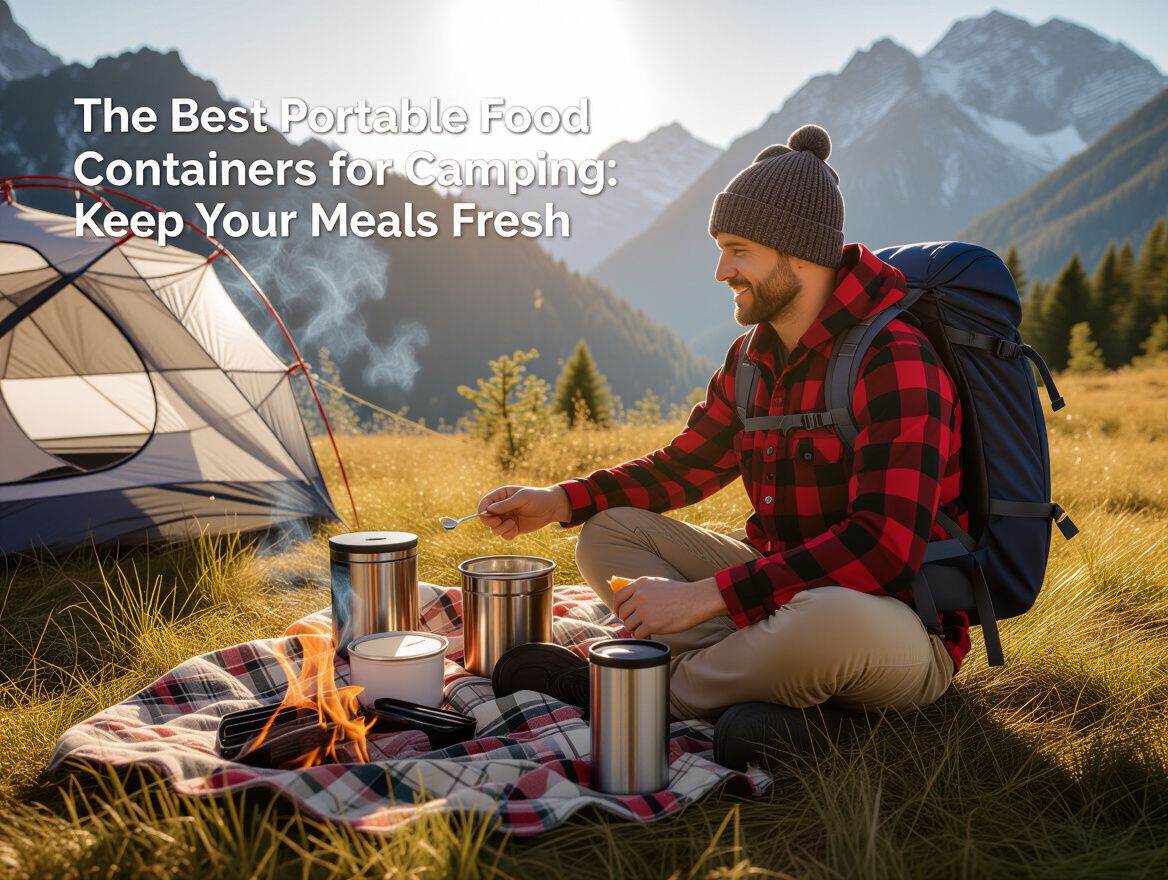
The Best Portable Food Containers for Camping: Keep Your Meals Fresh