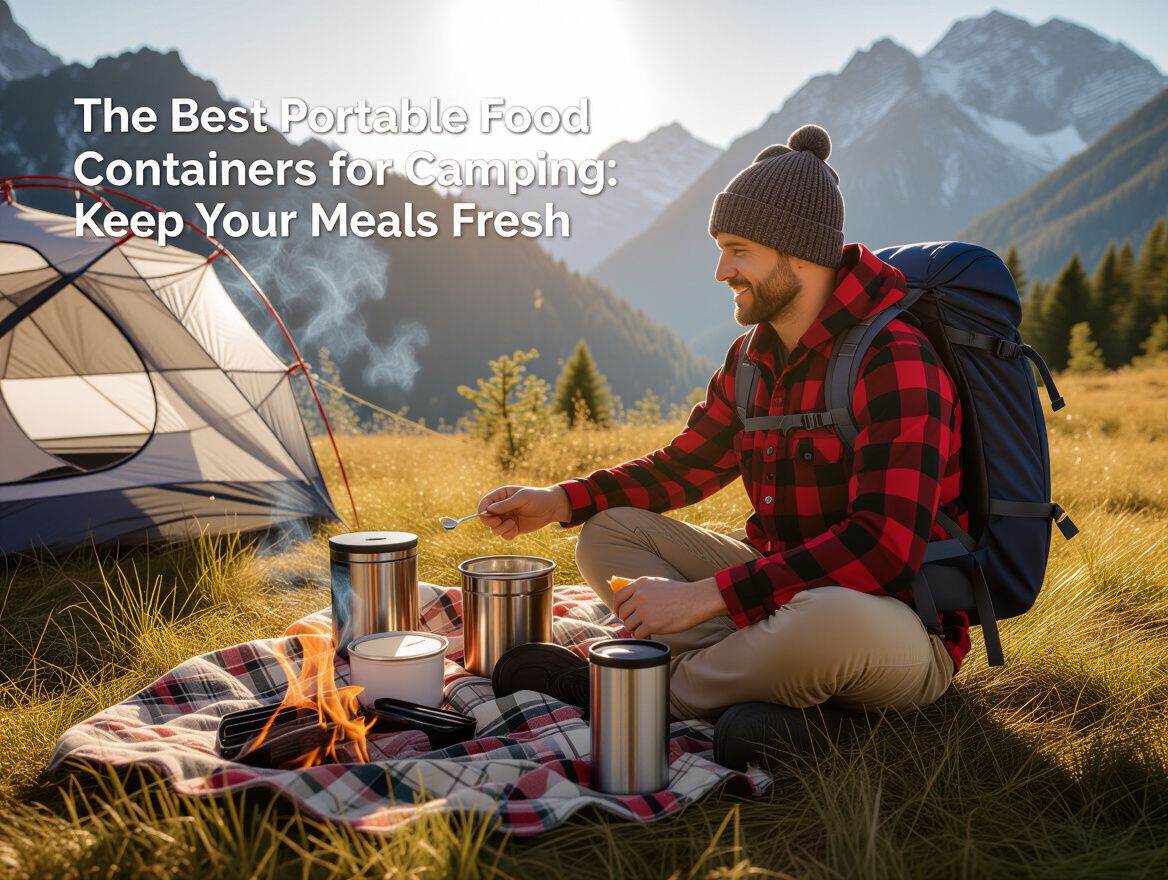
The Best Portable Food Containers for Camping: Keep Your Meals Fresh
Why Portable Food Containers Matter for Camping
When camping, keeping food fresh and organized can be a significant challenge. Outdoor environments expose food to varying temperatures, pests, and potential spoilage, making effective storage essential for a successful trip. Portable food containers are specifically designed to address these challenges, ensuring that your meals remain safe, fresh, and easy to access.
Key Challenges of Food Storage While Camping
- Temperature Fluctuations: Outdoor conditions can lead to rapid changes in temperature, which can affect food safety.
- Pest Control: Insects and animals are often attracted to food left unprotected, risking contamination and loss.
- Limited Space: Camping gear often requires efficient packing, making bulky or poorly designed containers impractical.
How Portable Food Containers Help
Portable food containers offer several advantages that cater to the unique needs of campers:
- Insulation and Protection: Many containers are designed with insulation to keep food at safe temperatures, while sturdy materials protect against impacts and environmental elements.
- Organizational Features: Compartments and stackable designs help maximize space and keep different food items organized.
- Ease of Transport: Lightweight and compact designs make it easier to carry multiple containers without adding excessive weight to your gear.
By choosing the right portable food containers, campers can enjoy fresh, well-organized meals while minimizing the risk of spoilage or contamination. Understanding these factors can guide you in selecting containers that best meet your camping needs.
Key Factors to Consider When Choosing Portable Food Containers
Selecting the right portable food containers for camping is crucial for ensuring your meals stay fresh and organized. Here are key factors to evaluate that can help you make an informed decision:
-
Size and Capacity: Consider how much food you typically prepare for camping trips. Look for containers that fit your meal portions, allowing for easy packing and storage. Assess whether you need multiple smaller containers or a few larger ones based on your meal planning.
-
Material and Durability: Choose materials that can withstand outdoor conditions. Common options include plastic, glass, and stainless steel. Each has its pros and cons regarding weight, durability, and insulation. Ensure the material is BPA-free if you're opting for plastic.
-
Seal Effectiveness: A tight seal is essential to prevent leaks and keep food fresh. Evaluate the lid design and sealing mechanisms. Look for containers with silicone gaskets or locking lids for enhanced leak-proof performance.
-
Weight and Portability: Since you'll be carrying these containers during your camping trips, consider their weight. Lightweight options are preferable, but ensure they still offer durability. Assess how they fit into your backpack or cooler for easy transportation.
-
Ease of Cleaning: After a long day of outdoor activities, the last thing you want is to struggle with cleaning. Select containers that are dishwasher safe or easy to hand wash. Consider designs with fewer nooks and crannies to simplify the cleaning process.
By keeping these factors in mind, you can choose portable food containers that best suit your camping needs, ensuring you enjoy fresh meals without unnecessary hassle.
Understanding Trade-offs and Limitations
When selecting portable food containers for camping, understanding the trade-offs and limitations of different types is crucial for making an informed decision. Here are key factors to consider:
Plastic vs. Glass Containers
- Weight: Plastic containers are generally lighter and more portable, making them easier to carry on hikes. Glass containers, while heavier, can provide better durability and resistance to odors.
- Temperature Resistance: Glass can withstand higher temperatures, making it suitable for hot meals. However, it may not be ideal for freezing conditions as it can crack.
- Environmental Impact: Plastic containers are often less eco-friendly, as they can contribute to waste. Glass is recyclable and typically lasts longer, but it may require more careful handling.
Insulated vs. Non-Insulated Options
- Heat Retention: Insulated containers are excellent for keeping meals hot or cold for extended periods, which can enhance your camping experience. However, they tend to be bulkier and heavier.
- Versatility: Non-insulated containers are often more lightweight and easier to pack but may not maintain temperature as effectively. This trade-off is essential for campers who prioritize space and weight.
Cost vs. Quality Considerations
- Budget: While cheaper containers may save you money upfront, they might not withstand outdoor conditions as well as higher-quality options. Investing in durable containers can lead to long-term savings.
- Material Quality: Higher-quality materials often mean better insulation, durability, and safety. Consider how frequently you'll use the containers and the potential for wear and tear during camping trips.
By weighing these trade-offs, campers can choose portable food containers that best fit their specific needs, enhancing their outdoor culinary experience while minimizing potential drawbacks.
How to Match Containers with Your Camping Style
Choosing the right portable food containers for camping requires aligning your selections with your specific camping scenario. Different styles of camping—such as backpacking, car camping, day trips, or family outings—demand distinct container features, making it critical to consider your needs carefully.
Backpacking vs. Car Camping
- Backpacking: Opt for lightweight, collapsible containers that maximize space and minimize weight. Look for options made from durable materials that can withstand rough handling.
- Car Camping: Here, you can afford to carry heavier, bulkier containers. Choose larger, stackable options that provide ample storage for family meals or multiple days of food.
Day Trips vs. Extended Stays
- Day Trips: Compact, insulated containers are ideal for keeping single meals fresh. Consider containers with secure lids to prevent spills during transport.
- Extended Stays: Invest in modular sets that allow for meal prep and storage over several days. Look for containers that are easy to clean and can accommodate various food types.
Solo Camping vs. Family Outings
- Solo Camping: Smaller, single-serving containers are practical and help reduce waste. Choose options that can nest within each other for easier packing.
- Family Outings: Multi-compartment containers work well for serving different food items. Ensure that the containers are durable enough to withstand use by children and are easy to open.
Trade-offs to Consider
When selecting portable food containers, weigh the benefits of material (plastic vs. glass), insulation capabilities, and ease of cleaning against your specific camping style. Each choice comes with trade-offs, such as weight versus durability or cost versus functionality. Understanding these factors will help ensure that you choose containers that best fit your camping needs while keeping your meals fresh.
Potential Risks of Using Portable Food Containers
While portable food containers are invaluable for campers, improper use or selection can lead to several risks that may compromise food safety and convenience. Understanding these risks can help you make informed decisions when choosing the right containers for your outdoor adventures.
-
Leakage and Spoilage: If containers are not properly sealed or are made from low-quality materials, they can leak during transport. This not only leads to messy backpacks but can also result in spoilage of food, especially if liquids contaminate dry items or if perishable foods are not kept at safe temperatures.
-
Difficulty in Cleaning: Some portable food containers may have intricate designs or materials that are not dishwasher safe. This can make cleaning them after a camping trip cumbersome, potentially leading to lingering odors or bacteria growth if not cleaned thoroughly.
-
Weight Implications for Backpacking: While many containers are designed to be lightweight, some may still add unnecessary bulk to your gear. For backpackers, every ounce counts, and choosing heavier containers can impact your overall comfort and endurance on longer hikes.
By being aware of these potential risks, you can better evaluate the features and materials of portable food containers to ensure they align with your camping needs. Prioritizing quality, ease of cleaning, and weight considerations will enhance your overall camping experience and help maintain food safety.
Frequently Asked Questions About Portable Food Containers
When selecting portable food containers for camping, potential buyers often have specific questions regarding materials, functionality, and suitability. Addressing these concerns can help ensure you make an informed choice that meets your camping needs.
What materials are best for food safety?
For food safety, look for containers made from BPA-free plastic, glass, or stainless steel. These materials are generally non-toxic and resistant to leaching, ensuring your food remains safe to consume. Glass containers are often preferred for their non-reactive nature, while stainless steel offers durability and insulation benefits. Always check for FDA approval or similar certifications when selecting containers.
How do I ensure my containers won’t leak?
To prevent leaks, choose containers with secure, airtight lids. Features like silicone seals or locking mechanisms can enhance leak resistance. Additionally, consider the container's shape and design; wide bases can help distribute pressure evenly, reducing the risk of spills. Conducting a simple water test before your trip can also help ensure that your containers are leak-proof.
Can I use regular containers for camping?
While you can use regular containers, they may not provide the durability or insulation that specialized portable food containers offer. Regular containers may lack features like airtight seals or rugged construction, making them less suitable for outdoor conditions. If you choose to use regular containers, ensure they are lightweight and can withstand temperature variations, but be aware of the potential for spoilage or damage during your camping trip.
By understanding these common questions, you can better navigate the selection of portable food containers, ensuring that your meals stay fresh and secure during your outdoor adventures.
Making the Right Choice for Your Next Adventure
Choosing the right portable food containers for your camping needs is essential for ensuring your meals remain fresh and safe. As you prepare for your next outdoor adventure, consider the following key points to help you strike a balance between functionality, convenience, and the specific demands of camping.
-
Assess Your Meal Types: Think about what types of meals you plan to prepare. Will you need containers for hot meals, cold salads, or snacks? Different containers are designed for different food types, so select accordingly.
-
Prioritize Portability: Lightweight and stackable containers can help save space and reduce the weight of your gear. Consider how many containers you need and their dimensions to ensure they fit well in your pack.
-
Evaluate Durability: Look for materials that can withstand outdoor conditions. While plastic containers are often lighter, glass containers may offer better durability and resistance to odors. Assess the trade-offs based on your camping style and environment.
-
Consider Insulation Features: If you want to keep food at specific temperatures, insulated containers can be a valuable investment. They help maintain food safety during temperature fluctuations common in outdoor settings.
-
Think About Cleaning and Maintenance: Camping often means limited access to cleaning supplies. Choose containers that are easy to clean and dishwasher safe if possible, to save time and effort during your trip.
As you weigh these criteria against your personal preferences and camping style, you can make a more informed decision about which portable food containers will best suit your needs. Remember that the right choice not only enhances your dining experience but also contributes to a more enjoyable and stress-free camping adventure.
More in Portable Food Containers
View All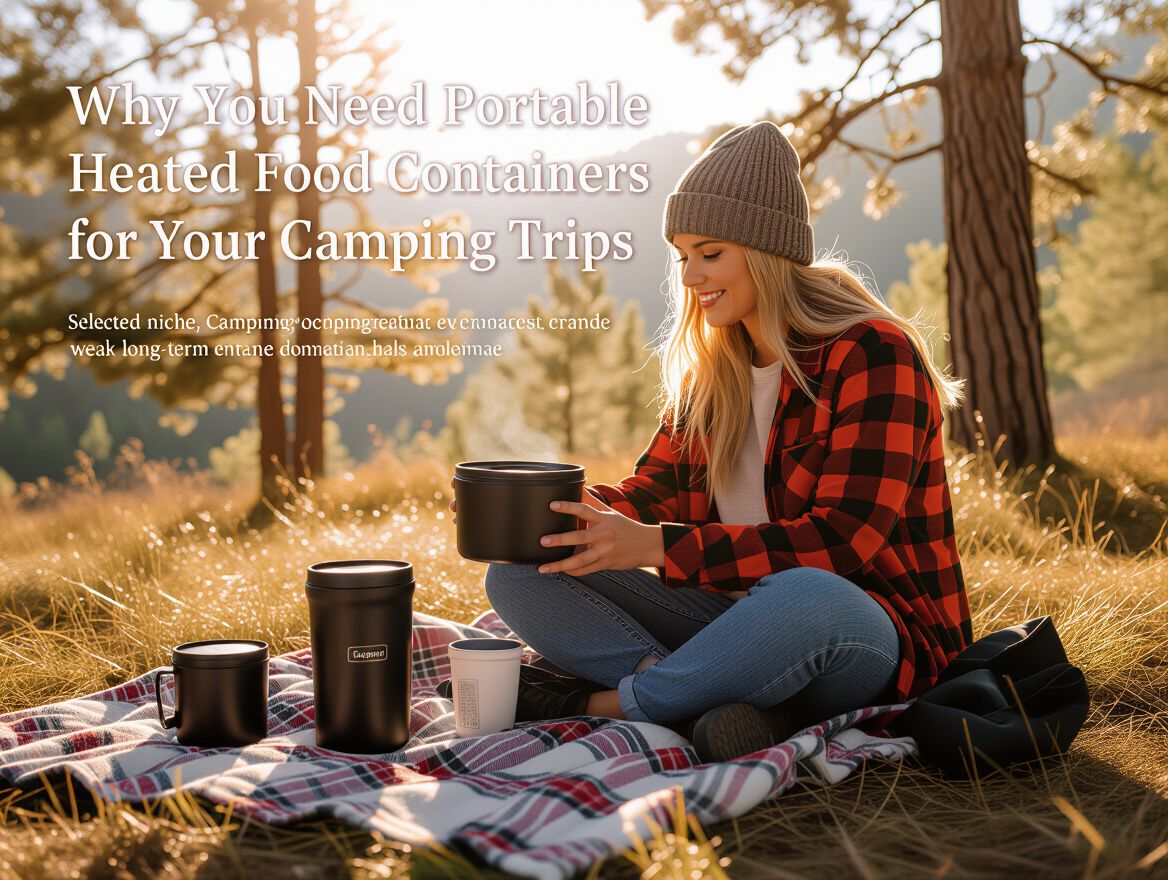
Why You Need Portable Heated Food Containers for Your Camping Trips