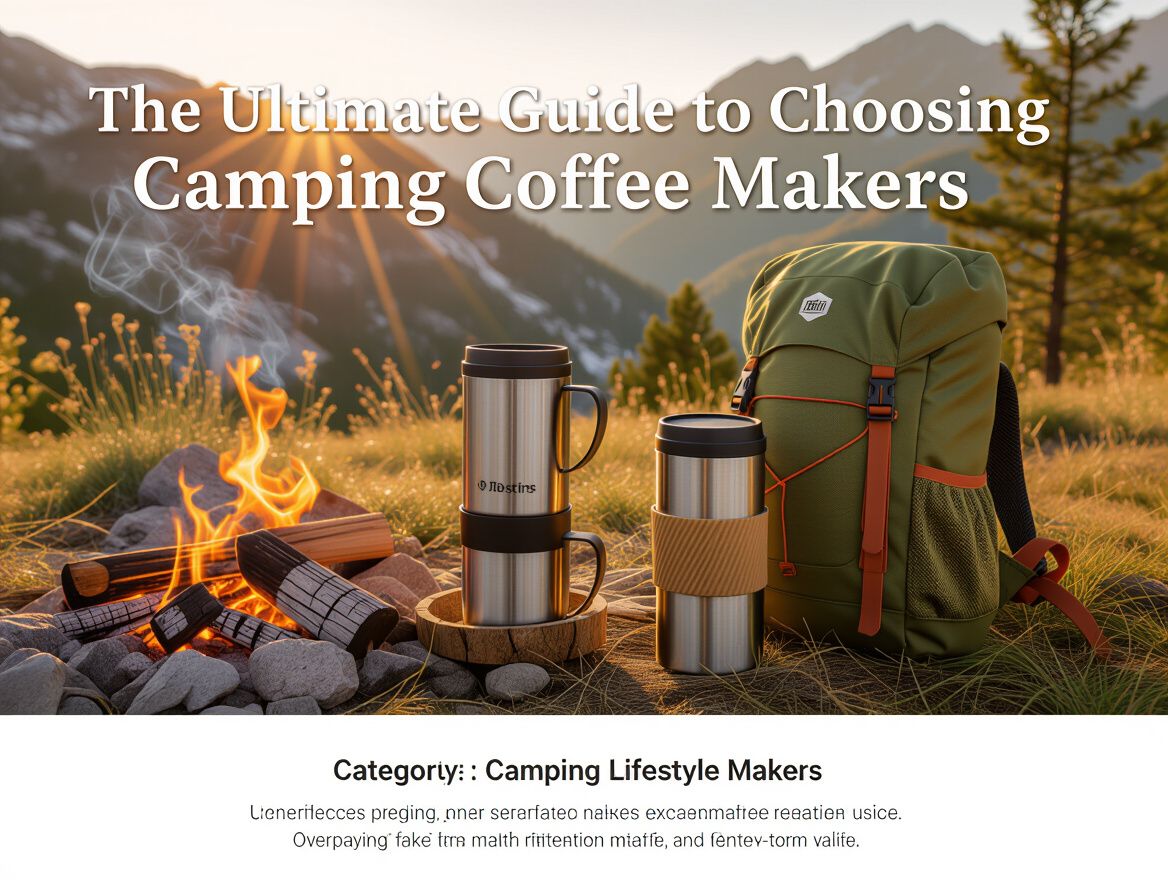
The Ultimate Guide to Choosing Camping Coffee Makers
Why You Need a Camping Coffee Maker
Having a dedicated camping coffee maker can significantly enhance your outdoor experience, providing the comfort of freshly brewed coffee amidst nature. The aroma of coffee brewing in the great outdoors not only boosts morale but also creates a sense of home, making those early mornings or chilly evenings more enjoyable.
Benefits of Fresh Coffee in the Outdoors
- Morning Ritual: A hot cup of coffee can serve as a comforting morning ritual, helping to kickstart your day with energy.
- Social Interaction: Brewing coffee can become a communal activity, fostering camaraderie among fellow campers.
- Convenience: A dedicated coffee maker eliminates the hassle of traditional methods, allowing you to focus on enjoying your surroundings.
Overview of Different Types of Camping Coffee Makers
Camping coffee makers come in various styles, each catering to different preferences and situations:
- French Press: Compact and easy to use, ideal for those who appreciate a rich flavor.
- Pour-Over: Offers control over brewing time and temperature, perfect for coffee aficionados.
- Percolators: Durable and classic, suitable for brewing larger quantities over a campfire.
- Single-Serve Machines: Convenient for quick brews, especially if you prefer pre-packaged coffee pods.
Understanding the variety of options available will help you choose a camping coffee maker that aligns with your brewing style and camping needs, ensuring you enjoy your coffee just the way you like it while immersed in nature.
Key Factors to Consider When Choosing a Camping Coffee Maker
Selecting the right camping coffee maker involves understanding several key factors that align with your specific camping style and preferences. Here’s a concise checklist to guide your decision-making process:
-
Size and Weight Considerations:
- Portability is crucial for camping gear. Look for coffee makers that are compact and lightweight, making them easy to pack and carry. Consider how much space you have in your gear and the weight you are willing to carry.
-
Brewing Method Preferences:
- Different methods yield different flavors and experiences. Options include:
- Drip Coffee Makers: Good for those who prefer traditional coffee brewing.
- French Press: Ideal for rich, full-bodied coffee; requires more effort but offers a rewarding taste.
- Pour-Over: A hands-on method that allows for precise control over brewing time and water temperature.
- Different methods yield different flavors and experiences. Options include:
-
Power Source Options:
- Evaluate the availability of power sources at your camping site:
- Propane: Great for off-grid camping, but requires fuel canisters.
- Electric: Convenient if you have access to a power source, but limits where you can camp.
- Manual: No power needed, but may require more effort and time.
- Evaluate the availability of power sources at your camping site:
-
Ease of Cleaning and Maintenance:
- After a long day of camping, the last thing you want is a complicated cleanup. Choose coffee makers that are easy to disassemble and clean, ideally with few parts that can trap coffee grounds or oils.
By considering these factors, you can narrow down your options and find a camping coffee maker that suits your outdoor adventures. Remember that the best choice will depend on your individual needs and the specific conditions of your camping trips.
Understanding the Trade-offs of Different Coffee Makers
Choosing the right camping coffee maker involves evaluating various trade-offs that can significantly influence your camping experience. The primary considerations include the type of coffee maker—manual versus electric, brewing time, and the durability and materials used.
Manual vs. Electric Options
- Manual Coffee Makers: These typically require no electricity and are often lighter and more portable. They can produce excellent coffee with the right technique but may require more effort and time, which could be a drawback in a bustling campsite.
- Electric Coffee Makers: While they offer convenience and consistent brewing results, they depend on a power source, which may limit your options unless you have a generator or a suitable battery. They are generally bulkier and heavier, making them less ideal for backpacking.
Brewing Time vs. Convenience
- Brewing Time: Manual methods like pour-over or French press can take longer, potentially sacrificing convenience for taste, especially if you’re in a hurry. In contrast, electric models often brew quickly, allowing you to enjoy your coffee with minimal wait.
- Taste: For coffee aficionados, brewing methods that involve more time and technique can yield richer flavors. If taste is your priority, you may lean toward manual options, accepting the trade-off in convenience.
Durability and Material Considerations
- Material Choices: Camping coffee makers come in various materials such as stainless steel, plastic, and glass. Stainless steel models are typically more durable and resistant to impacts, making them suitable for rugged outdoor conditions. However, they can also be heavier.
- Weight vs. Durability: While lightweight materials are easier to carry, they may not withstand the rigors of outdoor use as well as heavier, more robust options. Consider your camping style—if you’re car camping, weight may be less of a concern than if you’re backpacking.
By weighing these trade-offs, you can make a more informed decision that aligns with your specific camping needs and preferences. Whether you prioritize convenience, taste, or durability, understanding these factors will help you select the camping coffee maker that best fits your outdoor adventures.
Potential Risks and Considerations
When selecting a camping coffee maker, it's essential to be aware of potential risks and considerations that could impact your outdoor coffee experience. Understanding these factors can help you make a more informed decision that aligns with your camping style and preferences.
-
Limitations in Extreme Weather: Some camping coffee makers may struggle in harsh conditions. For instance, models that rely on electric power may not function effectively in cold temperatures or during rainy weather. Manual brewing methods, like French presses or pour-over systems, might be more reliable in these situations but require more effort.
-
Safety Concerns with Fuel Types: If you opt for a fuel-based coffee maker, such as a percolator that uses propane or butane, consider the safety implications of using flammable fuels in an outdoor setting. Ensure proper ventilation and follow safety guidelines to prevent accidents. Additionally, be aware of the availability of fuel in your camping area to avoid running out.
-
Maintenance Challenges While on the Go: Some coffee makers may require extensive cleaning or maintenance that can be cumbersome while camping. For example, models with multiple parts may be challenging to clean without access to running water. Consider how easy it is to maintain your coffee maker after use, especially if you're camping for several days.
By evaluating these potential risks and considerations, you can choose a camping coffee maker that not only meets your brewing preferences but also aligns with the realities of outdoor life.
Frequently Asked Questions About Camping Coffee Makers
When considering camping coffee makers, potential buyers often have specific questions that can influence their decision. Here are some common inquiries and their answers to help you make an informed choice.
What is the best brewing method for camping?
The best brewing method largely depends on your personal preferences and camping style. Here are a few options to consider:
- French Press: Great for those who enjoy a robust flavor and appreciate the hands-on brewing process.
- Pour-Over: Ideal for coffee enthusiasts who want to control the brewing parameters for a perfect cup.
- Percolators: Best for larger groups, as they can brew multiple cups at once over an open flame.
- Single-Serve Machines: Perfect for quick and convenient coffee, especially if you prefer using coffee pods.
Each method has its advantages and trade-offs, so choose one that aligns with your taste and camping habits.
How do I clean my camping coffee maker?
Cleaning your camping coffee maker is essential for maintaining flavor and hygiene. Here are some general tips:
- French Press: Disassemble and rinse all parts with water. Use a mild soap if necessary, and ensure all coffee grounds are removed.
- Pour-Over: Rinse the dripper and filter holder thoroughly after each use. Avoid using soap unless necessary, as it can affect flavor.
- Percolators: Clean the pot and filter basket with warm, soapy water, making sure to remove any coffee residue.
- Single-Serve Machines: Follow the manufacturer's instructions for cleaning, as some might have specific requirements.
Always allow your coffee maker to dry completely before packing it away to prevent mold and odors.
Can I use my camping coffee maker at home?
Yes, most camping coffee makers can be used at home, which can be a great way to enjoy outdoor flavors indoors. Here are some considerations:
- Size and Portability: Some camping coffee makers are designed for lightweight portability, making them easy to use in various settings.
- Brewing Method: If you enjoy a specific brewing method while camping, using the same maker at home can provide consistency in flavor.
- Durability: Ensure that the materials used in your camping coffee maker are suitable for regular use at home, as they may be designed primarily for outdoor conditions.
Using your camping coffee maker at home can enhance your coffee experience and make you feel connected to your outdoor adventures, even when you're indoors.
Making the Right Choice for Your Camping Adventures
Selecting the appropriate camping coffee maker can profoundly impact your outdoor experience. A well-chosen coffee maker not only ensures you enjoy your favorite brew but also aligns with your specific camping style and preferences.
Key Considerations for Your Decision
- Brewing Method: Reflect on which brewing method suits your taste and convenience. For instance, if you prefer a robust flavor, a French press might be ideal, while pour-over options can cater to those who enjoy precision in their brewing.
- Portability: Consider how much space and weight you can allocate for your coffee maker. Lightweight and compact models are preferable for backpacking, whereas sturdier options may be suitable for car camping.
- Ease of Use: Evaluate how user-friendly the coffee maker is, especially in outdoor conditions. Some models may require more setup or cleanup, which could be a factor if you're seeking a quick coffee fix.
- Quantity: Think about how many people you typically camp with. Larger percolators may be necessary for group trips, while single-serve machines could suffice for solo adventures.
Personal Preferences and Camping Style
Your individual tastes and camping habits play a crucial role in your choice. Whether you prioritize flavor, speed, or ease of use, understanding what you value most will guide your decision. For example, if you often camp in remote areas, durability and fuel options should weigh heavily in your considerations.
As you reflect on these aspects, remember that the right camping coffee maker can transform your outdoor mornings, providing comfort and a touch of familiarity in the wilderness. Take the time to assess your needs, and you'll be well-equipped to make an informed choice that enhances your camping experience.

More in Camping Coffee Makers
View All