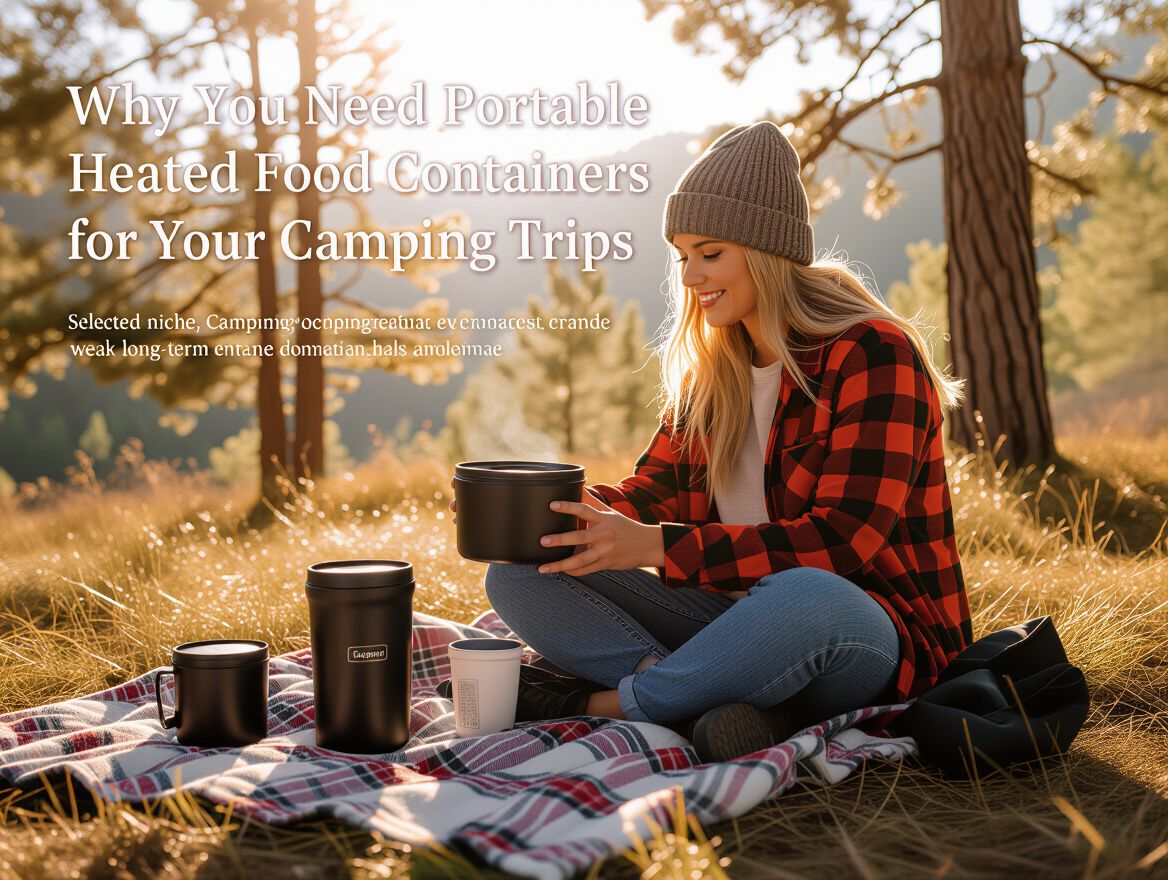
Top Portable Food Storage Containers for Easy Camping Meal Prep
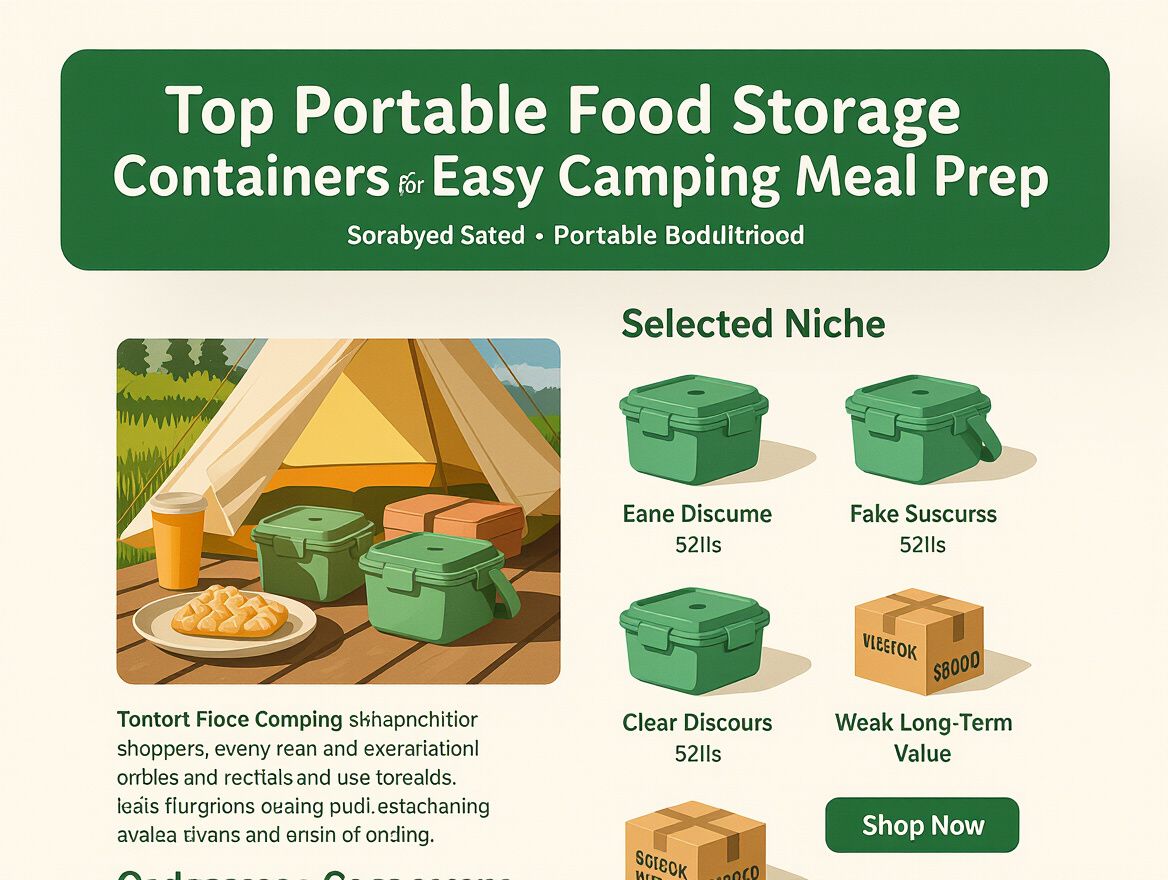
Why Portable Food Storage Containers Are Essential for Camping
When embarking on a camping adventure, meal preparation is often a significant challenge, and the right portable food storage containers can make all the difference. These containers are designed to keep your food fresh, organized, and easily accessible, which is crucial when cooking in outdoor settings. Without proper storage solutions, campers may face issues such as food spoilage, contamination, and difficulty in transporting ingredients.
Common Challenges Faced by Campers:
- Spoilage: Without airtight containers, perishable items can spoil quickly, especially in warm weather.
- Space Constraints: Traditional storage options can take up unnecessary space in your gear, making it difficult to pack efficiently.
- Accessibility: Disorganized food storage can lead to frustration when trying to find ingredients or prepare meals quickly.
- Weight and Portability: Heavy or bulky containers can be cumbersome to carry, detracting from the enjoyment of your outdoor experience.
By understanding the importance of portable food storage containers, campers can enhance their meal prep efficiency and overall camping experience. Selecting the right containers can alleviate these challenges, allowing you to focus more on enjoying nature and less on food logistics.
Key Features to Look for in Portable Food Storage Containers
When selecting portable food storage containers for camping meal prep, it's essential to focus on features that enhance convenience and efficiency. Here’s a checklist of must-have criteria to help you make an informed decision:
-
Material Durability and Safety: Look for containers made from BPA-free, food-grade materials that can withstand outdoor conditions. Durable plastics or stainless steel can provide longevity, while glass options offer safety from chemical leaching.
-
Leak-Proof and Airtight Seals: Ensure that the containers have secure seals to prevent leaks and keep food fresh. Airtight designs help in minimizing spoilage and protecting your meals from pests and moisture.
-
Size and Capacity Considerations: Choose containers that fit your meal prep needs. Consider varying sizes for different food types—small containers for snacks and larger ones for main dishes. Compact designs are also advantageous for packing efficiency.
-
Ease of Cleaning and Maintenance: Opt for containers that are dishwasher-safe or easy to hand wash. Smooth surfaces without intricate designs can make cleaning simpler, which is vital when you're camping.
By evaluating these features, you can select portable food storage containers that best suit your camping meal prep needs while minimizing risks associated with food storage.
Trade-offs and Limitations of Different Container Types
When selecting portable food storage containers for camping, understanding the trade-offs between different materials and designs is essential for ensuring convenience and efficiency in meal prep. Here’s a closer look at the pros and cons of plastic and glass containers, along with considerations for weight, portability, durability, and cost.
Plastic Containers
Pros:
- Lightweight: Plastic containers are generally lighter than glass, making them easier to carry and transport during camping trips.
- Durability: They are less likely to break if dropped, which is a significant advantage in outdoor settings.
- Cost-Effective: Typically, plastic containers are more affordable than their glass counterparts, allowing campers to purchase multiple units without a significant financial commitment.
Cons:
- Chemical Concerns: Some plastics may leach chemicals into food, especially when heated. It's vital to choose BPA-free options to mitigate this risk.
- Less Insulation: Plastic tends to provide poorer insulation than glass, which can affect how well food maintains its temperature.
Glass Containers
Pros:
- Non-Toxic: Glass does not leach chemicals, making it a safer option for food storage.
- Better Insulation: Glass containers often provide superior insulation, keeping food hot or cold for longer periods.
- Durability Against Odors and Stains: Glass is less likely to retain food odors or stains, ensuring that your containers remain clean and fresh.
Cons:
- Weight: Glass containers are heavier than plastic, which can be a drawback for backpackers or those looking to minimize weight.
- Fragility: They are more prone to breaking if dropped, which poses a risk during active camping situations.
- Higher Cost: Glass containers typically come at a higher price point, which may deter budget-conscious campers.
Weight vs. Durability
When considering weight and portability against durability, it's essential to evaluate your camping style. If you prioritize lightweight gear for long hikes, plastic may be the better choice. However, for car camping where weight is less of an issue, the durability and safety of glass could outweigh the concerns about portability.
Cost Implications
Ultimately, the choice between plastic and glass also involves cost considerations. While plastic containers can save money upfront, investing in higher-quality glass options may lead to long-term savings by reducing the need for replacements. Carefully assess how often you camp and the types of meals you prepare to determine which investment aligns best with your needs.
By weighing these trade-offs and understanding the limitations of each type of container, you can make a more informed decision that enhances your camping meal prep experience.
Potential Risks and Considerations When Choosing Containers
Selecting the right portable food storage containers is crucial for ensuring safe and efficient meal prep while camping. However, there are several risks and considerations that can impact your food safety and overall camping experience.
-
Health Risks from Inadequate Sealing: Containers that do not seal properly can lead to food contamination. This can result in spoilage or the growth of harmful bacteria, especially in warm outdoor conditions. Always check for airtight seals to maintain freshness and prevent leaks.
-
Impact of Container Material on Food Safety: The material of the container plays a significant role in food safety. Some plastics may leach harmful chemicals into food, especially when exposed to heat or sunlight. Opt for BPA-free materials or glass containers that are designed for food storage to minimize health risks.
-
Consequences of Improper Storage During Transport: When transporting food, containers must be durable and well-designed to prevent spills and damage. Poorly constructed containers may break or leak, leading to messy backpacks and wasted food. Look for containers with reinforced features or locking mechanisms to ensure they withstand the rigors of outdoor travel.
By understanding these potential risks, you can make more informed decisions and choose portable food storage containers that enhance your camping meal prep while keeping your food safe and secure.
Frequently Asked Questions About Portable Food Storage Containers
When selecting portable food storage containers for camping, it's essential to consider various factors that can greatly enhance your meal prep experience. Here are answers to some common queries that can guide your decision-making process.
What types of containers are best for specific foods?
Choosing the right container can help preserve the freshness and quality of your food. Here are some recommendations:
- Dry Goods: Use airtight containers to keep items like pasta, rice, and snacks safe from moisture and pests.
- Wet Foods: Opt for leak-proof containers for soups, stews, or sauces to prevent spills during transport.
- Meats and Dairy: Insulated containers can help maintain temperature, making them ideal for transporting meats and dairy products safely.
How to properly clean and maintain food storage containers?
Maintaining your food storage containers is crucial for longevity and hygiene:
- Regular Cleaning: Clean containers after each use with warm, soapy water. Avoid abrasive cleaners that can scratch surfaces.
- Drying: Ensure containers are completely dry before storing to prevent mold and bacteria growth.
- Material Care: If using plastic containers, avoid exposing them to extreme heat to prevent warping.
What size containers are ideal for camping trips?
The size of your containers should correspond to the type and quantity of food you plan to bring:
- Small Containers: Ideal for individual servings or snacks, making them convenient for day hikes.
- Medium Containers: Suitable for meals for two or three people, perfect for shared camping trips.
- Large Containers: Best for bulk storage of ingredients or meals for larger groups, though they may take up more space in your gear.
Understanding these aspects will help you select portable food storage containers that enhance your meal prep convenience while camping.
Making the Right Choice for Your Camping Needs
Choosing the right portable food storage containers is essential for efficient meal prep while camping. With various options available, it's crucial to understand which features align best with your specific camping style and needs. Here are some key considerations to help guide your decision:
-
Material: Containers made from durable materials like BPA-free plastic or stainless steel can withstand the rigors of outdoor use. Consider whether you prefer lightweight options for easy transport or heavier, more robust containers for added protection.
-
Size and Capacity: Evaluate how much food you typically prepare and whether you need multiple containers for different meal types. Larger containers may save space but can be cumbersome to carry, while smaller ones are easier to pack but may require more trips.
-
Sealing Mechanism: A good sealing mechanism is vital to prevent leaks and keep food fresh. Look for containers with airtight lids and secure clasps, especially if you plan to carry liquids or moist foods.
-
Ease of Cleaning: After a long day of camping, you may not want to spend a lot of time cleaning. Opt for containers that are dishwasher-safe or easy to scrub by hand to save time and effort.
-
Temperature Resistance: If you plan to store hot meals or freeze items, ensure the containers can handle temperature extremes without warping or leaking.
-
Weight and Portability: Assess the weight of the containers, especially if you're backpacking. Lightweight options may be preferable, but ensure they still provide adequate protection for your food.
-
Stackability and Storage: Containers that nest or stack can save space in your camping gear. Consider how they will fit together in your backpack or cooler.
By thoughtfully considering these features and trade-offs, you can select portable food storage containers that enhance your camping experience and meet your meal prep needs effectively. Take the time to assess your personal camping habits and preferences to ensure you make the best choice for your outdoor adventures.
More in Portable Food Containers
View All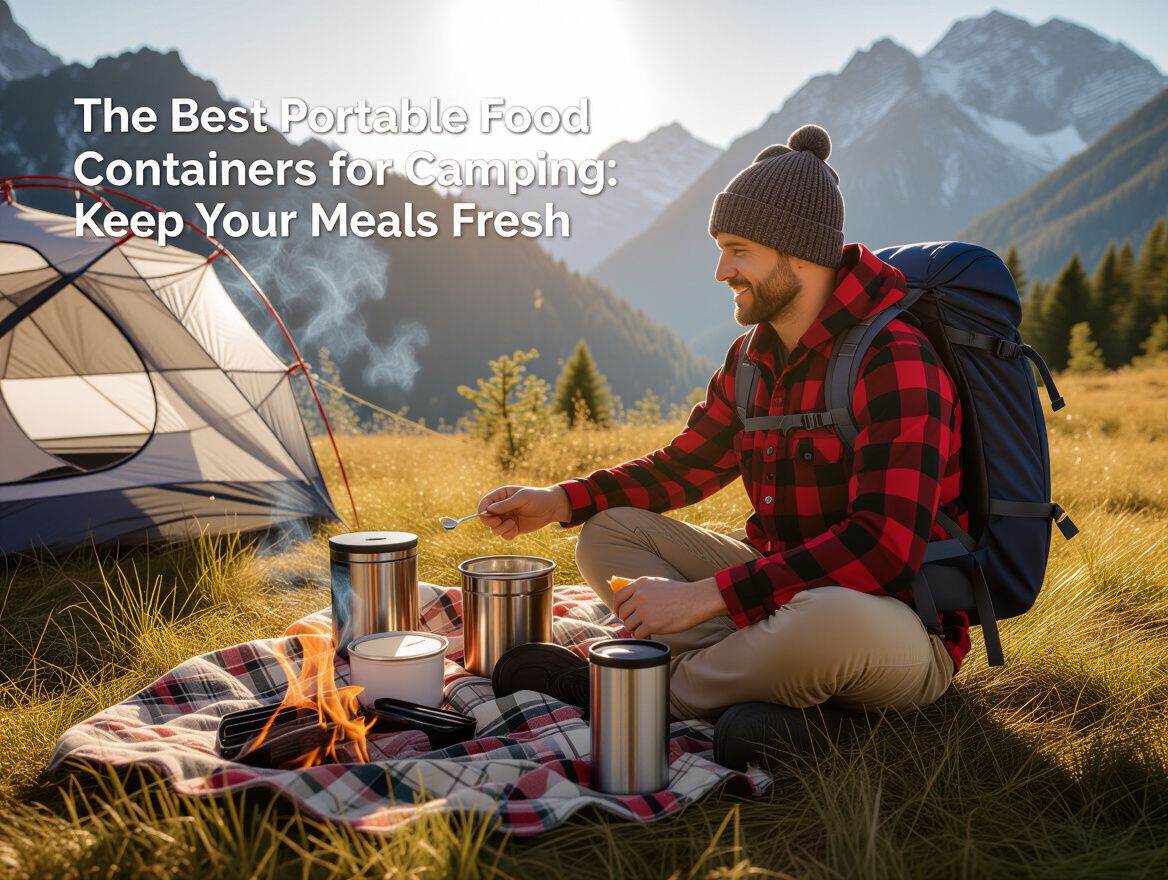
The Best Portable Food Containers for Camping: Keep Your Meals Fresh