Why Choose Gas Cooking Stoves for Your Camping Adventures
Understanding Gas Cooking Stoves for Camping
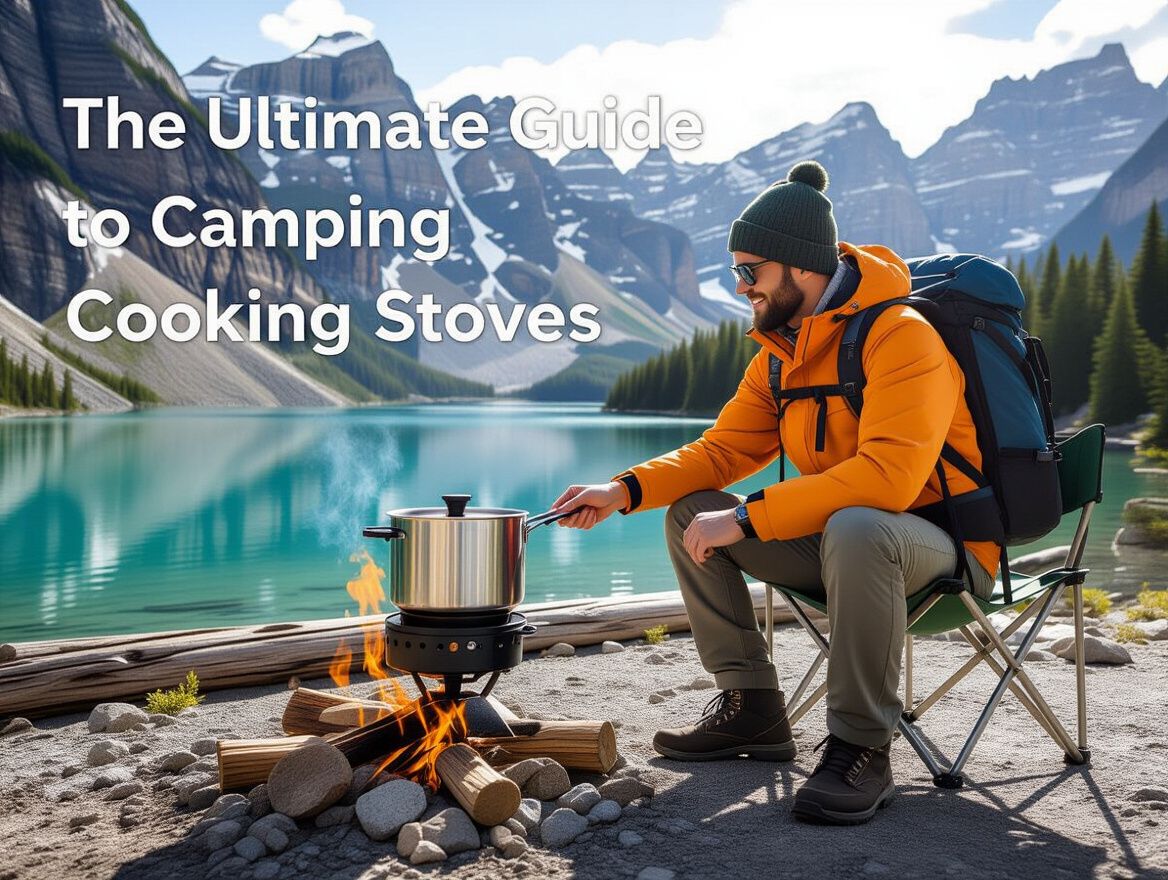
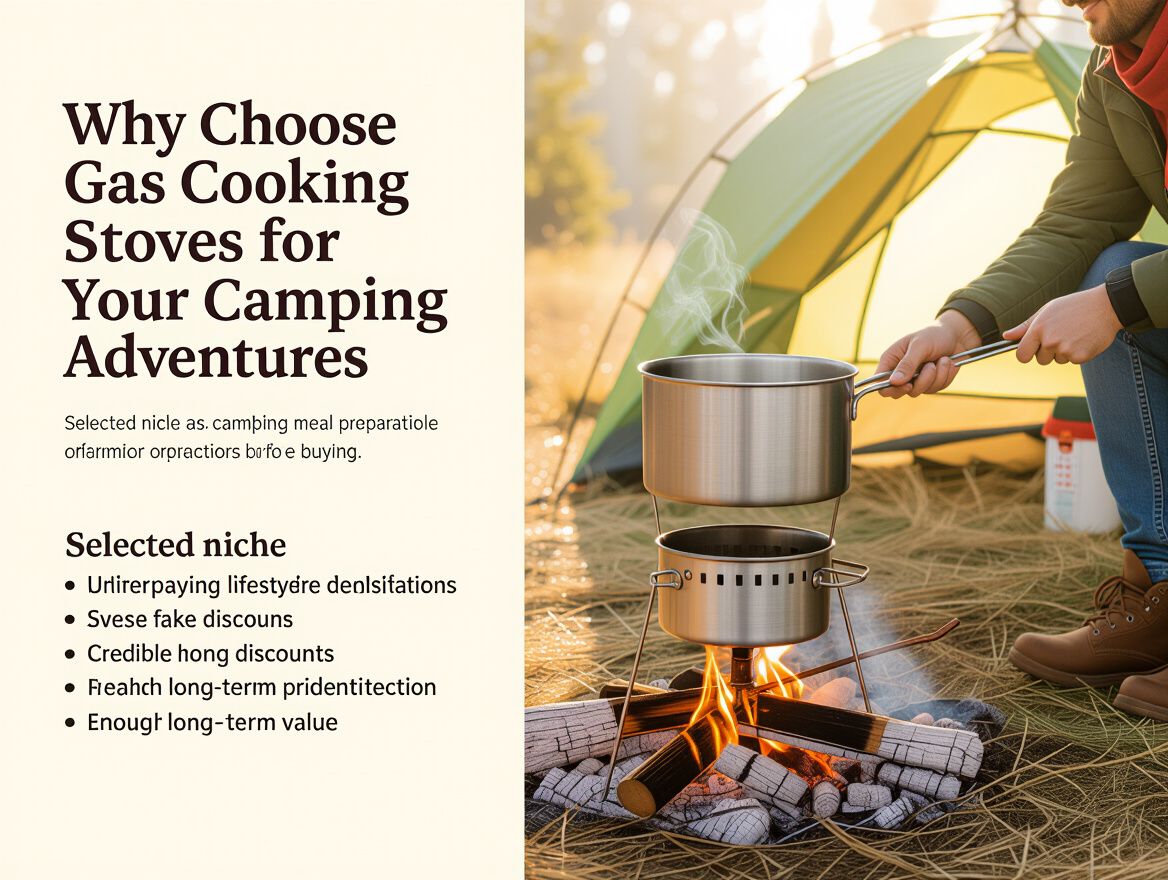
Gas cooking stoves are portable cooking appliances powered by gas, typically propane or butane, making them a popular choice for campers and outdoor enthusiasts. These stoves provide a reliable source of heat for cooking meals in various camping scenarios, from weekend getaways to extended backcountry trips.
The relevance of gas cooking stoves in camping lies in their efficiency and convenience. Unlike traditional campfires, which can be challenging to manage and may be restricted in certain areas due to fire regulations, gas stoves offer a controlled cooking environment. Here are some key benefits to consider:
- Quick Heating: Gas stoves heat up rapidly, allowing for faster meal preparation compared to other methods.
- Temperature Control: They provide precise flame control, enabling you to simmer or boil with ease.
- Portability: Many gas stoves are lightweight and compact, making them easy to transport.
- Versatility: Suitable for various cooking techniques, including boiling, frying, and sautéing.
As you evaluate gas cooking stoves for your camping needs, consider how these advantages align with your cooking style, meal preferences, and the specific conditions of your camping environment.
Key Benefits of Gas Cooking Stoves
When it comes to cooking while camping, gas cooking stoves offer distinct advantages that can enhance your outdoor experience. Understanding these benefits can help you make an informed decision about whether a gas stove is the right choice for your adventures.
-
Efficiency in Cooking: Gas stoves provide consistent heat, allowing for precise temperature control. This efficiency means you can cook meals faster, which is especially beneficial when you're hungry after a long day of hiking or exploring. The ability to simmer, boil, or sauté effectively can elevate your camping meals.
-
Portability and Ease of Use: Many gas cooking stoves are designed with portability in mind. Lightweight materials and compact designs make them easy to pack and transport. Furthermore, they typically require minimal setup, enabling you to start cooking quickly without the hassle of complicated assembly.
-
Quick Heat-Up Times: One of the standout features of gas stoves is their rapid heat-up capability. Unlike electric or wood-burning options, gas stoves can reach high temperatures almost instantly. This feature is particularly advantageous in outdoor settings where you may want to prepare a meal swiftly, allowing you to enjoy more time around the campfire.
While gas cooking stoves present numerous benefits, it's also essential to consider your specific camping needs, including fuel availability and weight constraints. Balancing these factors will help you choose the best stove for your outdoor cooking adventures.
Essential Criteria for Choosing a Gas Cooking Stove
When selecting a gas cooking stove for your camping adventures, it’s crucial to evaluate several key features to ensure you make the best choice for your needs. Here’s a checklist to guide your decision-making process:
-
Size and Weight:
- Consider the size of the stove in relation to your camping gear. A compact and lightweight model is easier to transport, especially for backpacking trips.
- Check the dimensions to ensure it fits well within your cooking area and can accommodate your cooking pots and pans.
-
Burner Output:
- Look for the BTU (British Thermal Unit) rating, which indicates the stove's heating power. Higher BTU ratings generally mean faster cooking times, which can be a significant advantage in the outdoors.
- Assess how many burners you need based on the meals you plan to prepare; multi-burner stoves can be beneficial for cooking complex meals.
-
Fuel Type Compatibility:
- Ensure the stove is compatible with the type of gas you plan to use, such as propane or butane. Some stoves offer versatility with multiple fuel options.
- Check the availability of fuel canisters in your camping area to avoid running out mid-trip.
-
Safety Features:
- Look for stoves with built-in safety features, such as flame control and automatic shut-off systems, to minimize the risk of accidents while cooking.
- Consider models with windshields or stabilizers to help maintain a steady flame in breezy conditions.
By carefully considering these factors, you can choose a gas cooking stove that aligns with your camping style and culinary needs, enhancing your outdoor cooking experience.
Understanding Trade-offs and Limitations
When considering gas cooking stoves for camping, it’s essential to weigh the trade-offs and limitations that come with their use. While these stoves offer many advantages, they also present specific challenges that could impact your camping experience.
-
Weight vs. Portability: Gas cooking stoves can vary significantly in weight. While some models are designed for ultralight backpacking, others may be bulkier and less portable. Assess your camping style—if you're hiking long distances, a lighter model may be necessary, but for car camping, weight may be less of a concern.
-
Fuel Availability and Storage: Gas stoves rely on fuel canisters, which may not always be readily available in remote areas. Before your trip, ensure you can acquire the necessary fuel and consider how many canisters you'll need based on your cooking plans. Additionally, proper storage is crucial to prevent leaks or punctures during transport.
-
Safety Concerns with Gas: Using gas stoves comes with inherent risks, such as potential leaks or flare-ups. Always follow safety guidelines, including using the stove in well-ventilated areas and keeping it away from flammable materials. Familiarize yourself with emergency procedures in case of an accident.
By understanding these trade-offs, you can make a more informed decision about whether a gas cooking stove is the right fit for your camping adventures.
Gas Stoves vs. Alternative Cooking Methods
When planning your camping meals, choosing the right cooking method is essential for a successful outdoor experience. Gas cooking stoves offer several advantages over electric stoves and wood-burning options, each of which has its own unique characteristics.
Comparison with Electric Stoves
- Portability: Gas stoves are typically more portable than electric stoves, which require a power source. This makes gas stoves ideal for remote camping locations where electricity is unavailable.
- Heat Control: Gas stoves provide instant heat and precise temperature control, allowing for better cooking flexibility. Electric stoves may take longer to heat up and cool down, which can be inconvenient for quick meal preparation.
- Fuel Availability: While electric stoves rely on a power supply, gas stoves use propane or butane canisters, which are lightweight and easy to transport. However, you must ensure you have enough fuel for your trip.
Comparison with Wood-Burning Stoves
- Ease of Use: Gas stoves are generally easier to ignite and operate compared to wood-burning stoves, which require gathering and preparing firewood. This convenience can be a significant advantage, especially for novice campers.
- Cooking Speed: Gas stoves heat up quickly and can boil water in a fraction of the time it takes a wood-burning stove. This can be a considerable benefit when you’re hungry and need to cook fast.
- Environmental Impact: Wood-burning stoves can produce smoke and require sourcing wood, which may not always be sustainable in certain camping areas. Gas stoves, in contrast, produce minimal emissions and leave no trace of fuel sources.
Advantages and Disadvantages Summary
-
Gas Cooking Stoves:
- Advantages: Portability, quick heat-up time, precise control, minimal environmental impact.
- Disadvantages: Dependence on fuel canisters, potential for running out during extended trips.
-
Electric Stoves:
- Advantages: Consistent heat, no need for fuel canisters.
- Disadvantages: Limited portability, reliance on electricity.
-
Wood-Burning Stoves:
- Advantages: Can use natural resources, creates a traditional camping experience.
- Disadvantages: Requires preparation, slower cooking times, and potential environmental impact.
Understanding these comparisons can help you evaluate which cooking method aligns best with your camping needs, ensuring you have an enjoyable and efficient cooking experience in the great outdoors.
Frequently Asked Questions About Gas Cooking Stoves
When considering gas cooking stoves for your camping adventures, you may have some questions regarding their use, maintenance, and safety. Here are answers to common concerns that can help you make an informed decision.
What is the best fuel for gas stoves?
The most common fuels for gas cooking stoves are propane and butane. Propane is generally preferred for camping because it performs better in cold weather and has a higher energy content, making it suitable for a wider range of temperatures. Butane, while lighter and often used in canister stoves, may struggle in low temperatures, affecting its efficiency.
How do I maintain my gas stove?
Maintaining your gas stove is essential for safe and efficient operation. Here are some key maintenance tips:
- Regular Cleaning: Clean the burners and the stove body after each use to prevent food residue buildup.
- Check Connections: Inspect fuel connections for leaks or damage before each camping trip. Use soapy water to check for leaks; bubbles will form if there is a leak.
- Store Properly: Keep the stove in a dry place to prevent rust and corrosion, and ensure that fuel canisters are stored upright and away from heat sources.
Are gas stoves safe for camping?
Gas stoves are generally safe for camping when used correctly. To ensure safety:
- Ventilation: Always cook in well-ventilated areas to avoid carbon monoxide buildup.
- Stability: Set up the stove on a flat, stable surface to prevent tipping.
- Distance: Keep flammable materials away from the stove when in use.
By understanding these aspects, you can confidently choose and use a gas cooking stove that meets your camping needs while ensuring safety and efficiency.
Final Thoughts on Gas Cooking Stoves for Camping
Gas cooking stoves present a compelling option for campers seeking efficient cooking solutions. Their quick heating capabilities and precise temperature control allow for a variety of cooking techniques, making meal preparation both easy and enjoyable in the great outdoors. Additionally, their portability and versatility cater to diverse camping environments, whether you're at a campsite or venturing into the backcountry.
However, it's essential to weigh these benefits against your specific camping needs. Consider the following:
- Cooking Style: Are you planning to prepare simple meals, or do you need the ability to cook more complex dishes?
- Group Size: Larger groups may require more powerful stoves or multiple burners.
- Fuel Availability: Ensure that the type of gas you choose is readily available at your camping location.
- Weight and Size: If backpacking, prioritize lighter, more compact models that fit your gear.
By evaluating these criteria, you can make a more informed decision about whether a gas cooking stove aligns with your outdoor cooking ambitions. As you weigh your options, keep in mind the specific circumstances of your camping trips to ensure you select a stove that meets your needs effectively.

More in Camping Cooking Stoves
View All