The Ultimate Guide to Camping Cooking Stoves
Understanding Camping Cooking Stoves
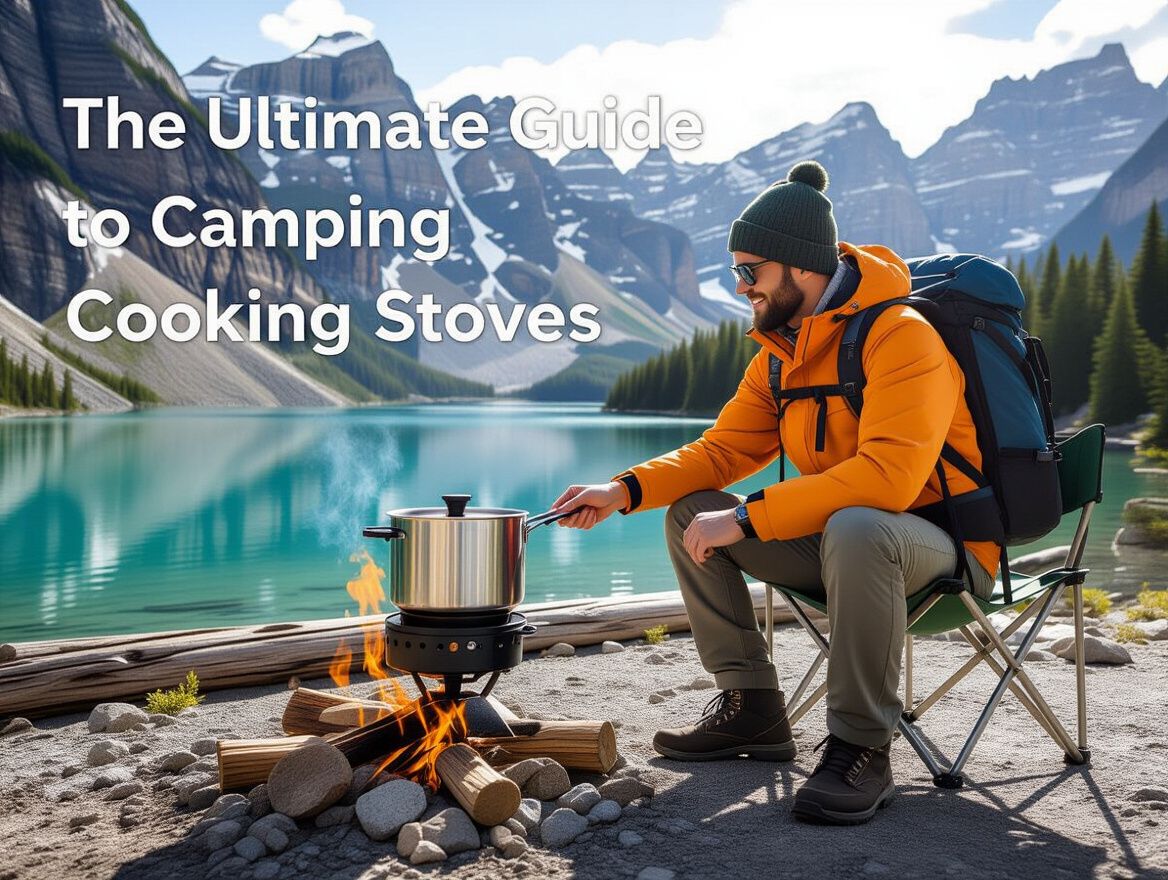
Camping cooking stoves are essential tools designed to facilitate meal preparation in outdoor settings. Unlike traditional cooking methods, these stoves provide a portable and efficient solution for campers, allowing them to enjoy warm meals regardless of the location.
The role of camping cooking stoves extends beyond mere convenience; they significantly enhance the outdoor cooking experience. With various options available, campers can choose stoves that align with their specific needs, whether they are preparing simple meals or more elaborate dishes.
Key benefits of using camping cooking stoves include:
- Portability: Lightweight designs make it easy to transport stoves to remote locations.
- Quick Setup: Many models enable fast assembly, allowing campers to start cooking without delay.
- Versatility: Options range from compact single-burner stoves to larger multi-burner units, accommodating different cooking styles and group sizes.
- Fuel Efficiency: Modern stoves are designed to maximize fuel usage, which is crucial for longer trips where resupply may not be feasible.
Understanding these aspects can help campers make informed decisions when selecting a cooking stove that best fits their outdoor cooking needs.
Key Buying Criteria for Camping Cooking Stoves
When selecting a camping cooking stove, it's crucial to evaluate several key features that can significantly impact your cooking experience in the great outdoors. Here's a checklist to guide your decision-making process:
-
Fuel Type:
- Consider stoves that use propane, butane, or multi-fuel options. Propane is widely available and efficient, while butane stoves are often lighter and more compact.
-
Size and Weight:
- Assess the portability of the stove. A lightweight and compact design is ideal for backpackers, while larger models may offer more cooking space for family camping trips.
-
Cooking Power and Efficiency:
- Look for stoves with adjustable heat settings and sufficient BTU output to ensure quick and efficient cooking. Higher BTUs typically equate to faster boiling times.
-
Ease of Setup and Use:
- Opt for stoves that are user-friendly, with simple ignition systems and straightforward assembly. Quick setup can enhance your camping experience, especially after a long day of hiking.
-
Safety Features:
- Examine stoves for safety features such as flame control, stability, and pressure regulation. These can prevent accidents and ensure safer cooking in various outdoor conditions.
By carefully considering these criteria, you can find a camping cooking stove that aligns with your specific needs and enhances your outdoor culinary adventures.
Trade-offs and Considerations
When selecting a camping cooking stove, understanding the trade-offs between efficiency, weight, fuel availability, and power versus portability is crucial for making an informed decision. Each type of stove comes with its own set of advantages and disadvantages that can significantly impact your camping experience.
Efficiency vs. Weight
- Efficiency: Some stoves, particularly those that use propane or butane, can heat food quickly and effectively. However, they may come with added weight due to the fuel canisters.
- Weight: Lightweight options, such as alcohol stoves, are portable but may take longer to cook meals. Consider whether you prioritize fast cooking times or ease of transport.
Fuel Availability
- Location Matters: Different camping locations may have varying access to fuel types. For example, propane canisters are widely available, but in remote areas, you might find it challenging to source them. Alcohol stoves can use denatured alcohol, which may be easier to find in some regions but not all.
- Planning Ahead: Check the availability of your chosen fuel type at your camping destination to avoid running into issues mid-trip.
Power vs. Portability
- Power: High-output stoves can boil water rapidly and handle larger meals, making them ideal for group camping. However, they can be bulkier and less portable.
- Portability: Smaller, less powerful stoves are easier to pack but may not meet the cooking needs of larger groups or more elaborate meals. Assess the size of your group and the type of meals you plan to prepare when choosing a stove.
Conclusion
Balancing these trade-offs is essential for selecting the right camping cooking stove that aligns with your specific needs and preferences. By carefully considering efficiency, weight, fuel availability, and power versus portability, you can make an informed choice that enhances your outdoor cooking experience.
Risks and Caveats of Using Camping Cooking Stoves
While camping cooking stoves offer convenience and efficiency for meal preparation in the great outdoors, it is crucial to be aware of the associated risks and limitations. Understanding these factors can help ensure a safe and enjoyable camping experience.
-
Fire Hazards and Precautions: Camping stoves can pose significant fire risks, especially in dry or windy conditions. Always use stoves in designated cooking areas away from flammable materials. Keep a fire extinguisher or a bucket of water nearby for emergencies, and never leave a stove unattended while in use.
-
Proper Ventilation Requirements: Many camping stoves, particularly those that use fuel or propane, produce carbon monoxide, which can be hazardous in enclosed spaces. Always ensure proper ventilation when cooking inside tents or shelters. If possible, use stoves outdoors to minimize the risk of carbon monoxide buildup.
-
Understanding Local Regulations on Stove Use: Different camping areas may have specific regulations regarding stove use, especially during fire bans or in sensitive ecological zones. Familiarize yourself with local laws and guidelines before setting up your cooking stove to avoid fines and ensure compliance with safety protocols.
By being mindful of these risks and taking appropriate precautions, campers can enjoy the benefits of cooking stoves while minimizing potential dangers.
Frequently Asked Questions About Camping Cooking Stoves
When considering camping cooking stoves, potential buyers often have specific queries that can influence their decision-making process. Here are some common questions and answers that address essential aspects of camping cooking stoves.
What are the best fuel types for camping stoves?
The choice of fuel type can significantly impact your camping cooking experience. Here are the most common fuel types:
- Propane: Widely available and easy to use, propane stoves offer quick heating and are great for general camping.
- Butane: Similar to propane but often comes in smaller canisters, making it a good choice for lightweight backpacking.
- White Gas: Ideal for extreme conditions, white gas stoves perform well in cold weather and high altitudes.
- Wood: Eco-friendly and effective, wood-burning stoves are perfect for those looking to minimize their environmental impact.
- Alcohol: These stoves are lightweight and simple, making them suitable for short trips where weight is a concern.
How do I maintain my camping stove?
Proper maintenance is crucial for ensuring the longevity and performance of your camping stove. Here are some key maintenance tips:
- Clean Regularly: After each use, clean the stove to remove food residue and soot, which can affect performance.
- Check Fuel Lines: Inspect hoses and connections for leaks or damage before each trip.
- Store Properly: Keep your stove in a dry place when not in use to prevent rust and corrosion.
- Follow Manufacturer Guidelines: Always refer to the user manual for specific maintenance recommendations.
Can I use my camping stove in a national park?
Using a camping stove in a national park often depends on specific regulations that can vary by location. Here are some general guidelines:
- Check Local Regulations: Some parks have restrictions on stove types and open flames, especially during fire season.
- Use Designated Areas: Many parks designate specific areas for cooking; ensure you comply with these rules.
- Leave No Trace: Always practice Leave No Trace principles, ensuring that you clean up after cooking and dispose of waste properly.
Understanding these common concerns can help you make an informed decision when selecting a camping cooking stove that best fits your outdoor cooking needs.
Final Thoughts on Choosing the Right Camping Cooking Stove
Selecting the ideal camping cooking stove is a crucial step in enhancing your outdoor cooking experience. Given the variety of options available, it's essential to align your choice with your specific needs and camping situations. Here are some key considerations to keep in mind:
-
Cooking Style: Consider whether you prefer quick meals or gourmet cooking. Single-burner stoves may suffice for simple meals, while multi-burner models can accommodate more complex recipes.
-
Group Size: The number of people in your camping party can influence your stove choice. Larger groups may benefit from bigger units that allow for simultaneous cooking, while solo campers might prioritize portability and weight.
-
Fuel Type: Different stoves use various fuel sources such as propane, butane, or wood. Assess the availability of fuel options at your camping site and the ease of transport for those fuels.
-
Weight and Portability: If you're hiking to your campsite, the stove's weight and size will matter significantly. Look for lightweight and compact designs that won’t weigh you down.
-
Weather Conditions: If you plan to camp in adverse weather, consider stoves with windshields or those designed for robust performance in challenging conditions.
-
Budget: Prices can vary widely based on features and brand. Determine your budget before exploring options to avoid overspending on features you may not need.
By carefully evaluating these factors, you can make an informed decision that enhances your outdoor cooking experience. Tailoring your choice to your unique camping style and preferences will ensure that your meals are enjoyable and hassle-free, allowing you to focus on the adventure at hand.
More in Camping Cooking Stoves
View All