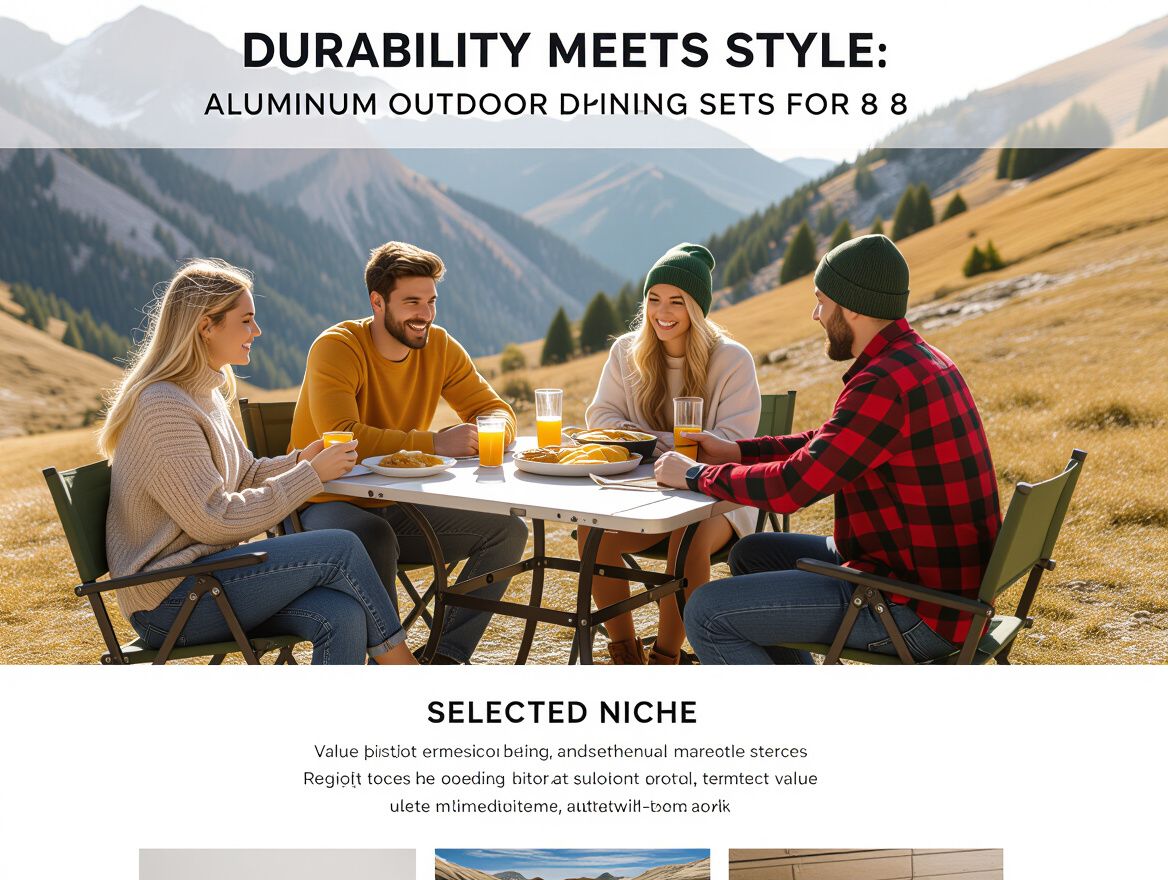
Polywood Outdoor Dining Sets: A Sustainable Choice for Your Patio

Understanding Polywood Outdoor Dining Sets
Polywood outdoor dining sets are crafted from a high-density polyethylene (HDPE) material made from recycled plastics, including milk jugs and detergent bottles. This innovative composition not only contributes to waste reduction but also results in a durable and weather-resistant product. The appeal of polywood lies in its ability to mimic the look of traditional wood while offering enhanced longevity and minimal maintenance.
The popularity of polywood outdoor dining sets has surged in recent years, particularly among environmentally conscious consumers. As outdoor living spaces become increasingly important, the demand for sustainable and resilient furniture options has grown. Polywood stands out in the market for its eco-friendly attributes, making it a compelling choice for those looking to furnish their patios responsibly.
Key Considerations for Polywood Outdoor Dining Sets
- Sustainability: Made from recycled materials, polywood contributes to a circular economy and reduces landfill waste.
- Durability: Resistant to fading, cracking, and splintering, polywood is designed to withstand the elements, making it ideal for outdoor settings.
- Maintenance: Unlike traditional wood, polywood requires minimal upkeep, as it does not need to be painted, stained, or sealed.
- Aesthetic Variety: Available in a range of colors and styles, polywood can complement various outdoor design themes.
By understanding the unique benefits and practical considerations of polywood outdoor dining sets, consumers can make informed decisions that align with their values and lifestyle needs.
Key Features to Consider When Buying Polywood Outdoor Dining Sets
When evaluating polywood outdoor dining sets, it's essential to focus on several key features that can significantly influence your purchasing decision. Here’s a checklist to help you assess the viability of these eco-friendly options for your patio.
-
Material Durability and Weather Resistance: Polywood is crafted from recycled plastics, making it highly durable and resistant to various weather conditions. It won’t splinter, crack, or fade, which is crucial if you live in an area with extreme temperatures or heavy rainfall.
-
Design Options and Color Choices: Polywood outdoor dining sets come in a variety of styles and colors, allowing you to choose a design that complements your outdoor space. Consider whether you prefer a modern aesthetic or a more traditional look, as well as how the color will fit with your existing patio decor.
-
Maintenance Requirements and Longevity: One of the significant advantages of polywood is its low maintenance needs. Unlike traditional wood, it does not require staining or sealing. However, you should still consider how easy it is to clean and whether it will retain its appearance over time. Look for sets that come with warranties or guarantees to ensure longevity.
By focusing on these features, you can make a well-informed decision about which polywood outdoor dining set will best suit your needs while contributing to a more sustainable lifestyle.
Trade-offs and Limitations of Polywood Outdoor Dining Sets
While polywood outdoor dining sets offer numerous benefits, it's essential to consider their trade-offs and limitations before making a purchase. Here are some key factors to evaluate:
-
Cost Comparison: Polywood furniture can be more expensive upfront compared to traditional wood or metal options. While it may save money in the long run due to its durability and low maintenance, the initial investment is higher. Evaluate your budget against the lifespan and maintenance costs of alternatives.
-
Weight and Portability: Polywood is generally heavier than some traditional materials, which can make moving or rearranging your outdoor dining set more challenging. If you plan to frequently change your patio layout or store furniture during the off-season, consider how the weight may affect your convenience.
-
Environmental Considerations: Although polywood is made from recycled materials and is recyclable itself, the environmental impact of its production process should not be overlooked. The energy consumption involved in manufacturing polywood may be higher than that of locally sourced, untreated wood. Additionally, consider the carbon footprint associated with transportation if sourcing polywood from distant manufacturers.
By weighing these trade-offs, you can make a more informed decision that aligns with your values and practical needs for outdoor dining furniture.
Polywood vs. Other Outdoor Dining Materials
When choosing outdoor dining sets, it's crucial to compare polywood with other popular materials such as traditional wood, metal, and plastic. Each material has its unique benefits and drawbacks, impacting durability, aesthetics, and cost.
Traditional Wood
- Pros: Offers a classic and natural aesthetic that many consumers find appealing. It can be sanded and refinished, extending its life.
- Cons: Prone to rotting, warping, and insect damage. Requires regular maintenance, including sealing and staining, which can add to long-term costs.
Metal
- Pros: Highly durable and resistant to weather elements, especially aluminum and stainless steel. Often lightweight and easy to move.
- Cons: Can become hot in the sun and may require cushions for comfort. Susceptible to rust if not properly treated, especially in humid environments.
Plastic
- Pros: Generally affordable, lightweight, and resistant to fading and moisture. Easy to clean and maintain.
- Cons: Can lack the aesthetic appeal of natural materials and may not be as sturdy. Some plastics can degrade over time, especially under harsh UV exposure.
Polywood
- Pros: Made from recycled plastic, polywood is eco-friendly and resistant to moisture, fading, and insects. It requires minimal maintenance and retains its color and shape over time.
- Cons: Initially more expensive than some other materials, and while it mimics the look of wood, it may not satisfy those seeking a more natural appearance.
Trade-offs to Consider
- Durability vs. Aesthetics: While traditional wood offers beauty, polywood provides superior durability without the maintenance hassle.
- Cost vs. Longevity: Although polywood may have a higher upfront cost, its longevity and low maintenance can make it more cost-effective in the long run.
- Environmental Impact: Polywood stands out for its sustainability, appealing to environmentally conscious consumers looking to reduce their carbon footprint.
Ultimately, the choice between polywood and other materials will depend on your specific needs, aesthetic preferences, and budget considerations. Evaluating these factors will help you make a more informed decision for your outdoor space.
Frequently Asked Questions about Polywood Outdoor Dining Sets
What makes polywood a sustainable choice?
Polywood is made from recycled plastic materials, primarily high-density polyethylene (HDPE), which significantly reduces plastic waste. By choosing polywood outdoor dining sets, consumers contribute to environmental conservation efforts. Additionally, polywood does not require the use of harmful chemicals for preservation, making it a safer choice for both the environment and human health.
How do polywood dining sets handle extreme weather conditions?
Polywood outdoor dining sets are designed to withstand a variety of extreme weather conditions, including heavy rain, intense sunlight, and freezing temperatures. They are resistant to fading, cracking, and warping, which means they maintain their appearance and functionality regardless of the climate. This durability makes them a long-lasting investment for outdoor spaces.
Are polywood outdoor dining sets easy to clean and maintain?
Yes, polywood outdoor dining sets are remarkably easy to clean and maintain. They can be washed with soap and water using a soft cloth or sponge. Unlike traditional wood, polywood does not require regular sealing or staining, which saves time and effort in upkeep. This low-maintenance characteristic is particularly appealing to environmentally conscious consumers who prefer sustainable solutions without the hassle of frequent care.
Making the Right Choice for Your Outdoor Space
When considering polywood outdoor dining sets for your patio, it's essential to weigh the numerous eco-friendly benefits alongside practical considerations. These sets are made from recycled materials, notably plastic, which significantly reduces waste and environmental impact compared to traditional wood options. By choosing polywood, you contribute to sustainability efforts while enjoying durable furniture that withstands the elements.
Key Benefits:
- Sustainability: Made from recycled plastic, polywood helps divert waste from landfills.
- Durability: Resistant to fading, cracking, and splintering, ensuring long-term use.
- Low Maintenance: Requires minimal upkeep, making it ideal for busy lifestyles.
However, there are trade-offs to consider. While polywood dining sets are environmentally friendly and durable, they may come at a higher price point than some traditional materials. Additionally, their weight can be a factor if you need to rearrange your outdoor space frequently.
Before making a decision, evaluate your specific needs:
- Space and Size: Ensure the dimensions fit your patio layout.
- Aesthetic Preferences: Consider how the look of polywood aligns with your outdoor décor.
- Budget Constraints: Weigh the initial investment against long-term durability and maintenance savings.
In conclusion, polywood outdoor dining sets present a compelling choice for those prioritizing sustainability and durability. By carefully considering the benefits and trade-offs, you can make an informed decision that enhances your outdoor living space while supporting eco-friendly practices.


More in Outdoor Dining Sets
View All