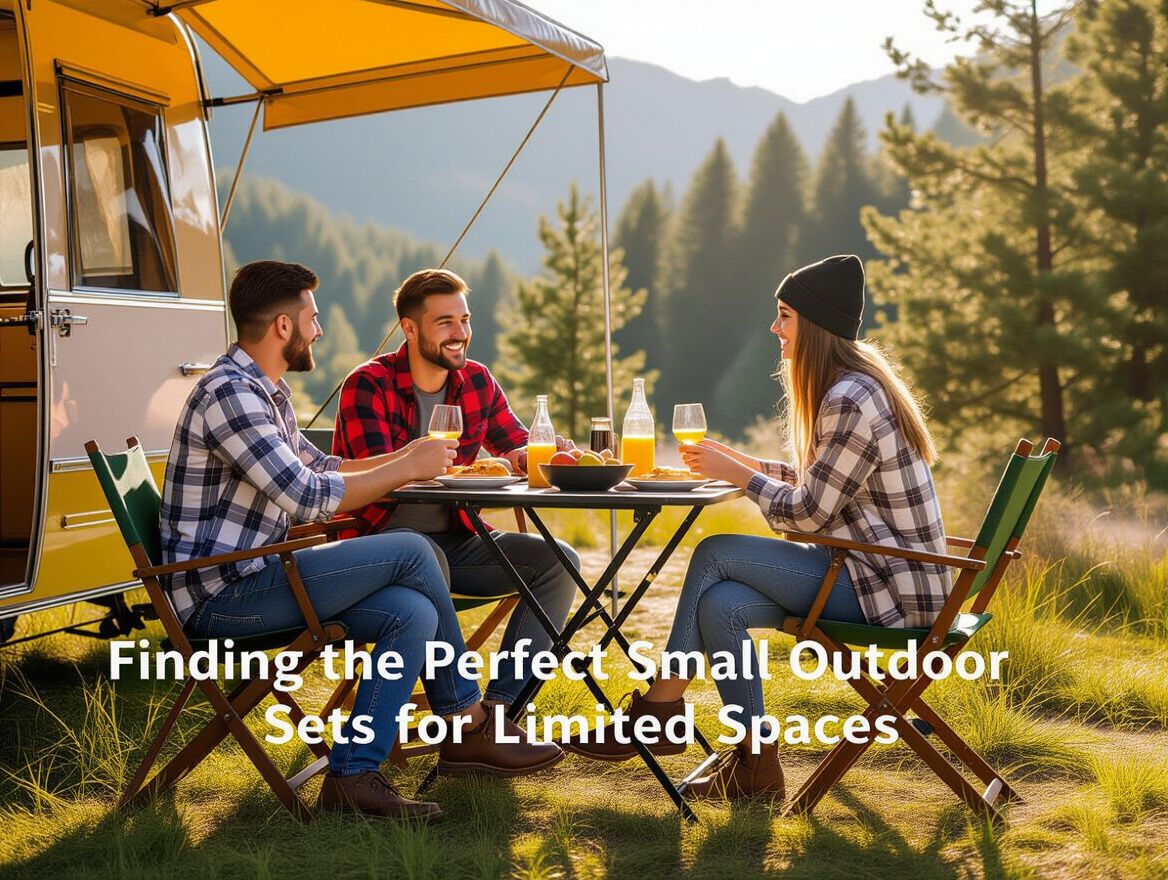
Finding the Perfect Small Outdoor Dining Sets for Limited Spaces
Understanding the Need for Small Outdoor Dining Sets
Small outdoor dining sets are specifically designed for limited spaces, making them an ideal choice for balconies, patios, or compact gardens. These sets typically include a table and a few chairs, optimized for functionality without sacrificing style. As outdoor dining becomes increasingly popular, many consumers are looking for ways to create inviting spaces in their smaller outdoor areas.
Growing Trend of Outdoor Dining in Compact Areas
The trend towards outdoor dining in compact spaces reflects a broader lifestyle shift towards maximizing outdoor living. With urbanization on the rise, many homeowners and renters are seeking ways to extend their living areas outdoors. Small outdoor dining sets cater to this trend by offering a blend of convenience and charm, allowing individuals to enjoy meals outside, regardless of space constraints.
Importance of Functionality and Aesthetics
When selecting small outdoor dining sets, it's crucial to consider both functionality and aesthetics. Here are some key factors to keep in mind:
- Space Efficiency: Look for sets that can be easily tucked away or rearranged to make the most of your outdoor area.
- Material Durability: Choose materials that withstand weather elements while providing visual appeal, such as metal, wood, or synthetic wicker.
- Style Compatibility: Ensure the design complements your existing outdoor decor to create a cohesive look.
In summary, small outdoor dining sets not only address the need for dining solutions in limited spaces but also enhance the overall outdoor experience by combining practicality with style.
Key Criteria for Selecting Outdoor Dining Sets
When choosing an outdoor dining set for small spaces, several essential factors can guide your decision-making process. Here’s a checklist to help you evaluate your options effectively:
-
Size and Dimensions: Measure your available outdoor space to ensure the set fits comfortably. Consider the table size, chair dimensions, and the required clearance for movement. Look for compact designs that maximize seating without overcrowding.
-
Material and Durability: Opt for materials that withstand outdoor conditions. Common choices include metal, wood, and synthetic materials like resin. Assess their resistance to weather, fading, and wear, especially if you plan to leave the furniture outside year-round.
-
Style and Design Compatibility: Ensure the dining set complements your existing outdoor decor. Whether you prefer modern, rustic, or traditional styles, the set should enhance your space's aesthetic while providing functional appeal.
-
Comfort and Usability: Test the comfort of the chairs and table height. Look for ergonomic designs that provide adequate support. Consider the usability of the set for dining, entertaining, or relaxing, depending on your primary outdoor activities.
-
Storage Options: If space is limited, consider foldable or stackable sets that can be easily stored away when not in use. Some sets come with integrated storage solutions, which can be beneficial for keeping cushions or accessories organized.
By keeping these criteria in mind, you can make a more informed choice that aligns with your outdoor space needs and lifestyle preferences.
Understanding Trade-offs and Limitations
When selecting small outdoor dining sets, it's essential to understand the trade-offs and limitations that come with compact designs. Buyers often face challenges related to space, material choices, aesthetic preferences, and budget constraints, each influencing the overall dining experience.
Space Limitations vs. Seating Capacity
- Seating Capacity: Smaller dining sets typically accommodate fewer people, which may not be suitable for entertaining larger groups. Consider how often you host gatherings and whether a compact set meets your needs.
- Space Utilization: Ensure that the dimensions of the dining set fit comfortably within your outdoor area, allowing for movement and access without overcrowding the space.
Material Choices Affecting Longevity
- Durability: Different materials (e.g., wood, metal, plastic) have varying lifespans and weather resistance. For instance, while metal offers sturdiness, it may require more maintenance in humid climates.
- Comfort vs. Care: Some materials may necessitate more upkeep, impacting usability. For example, wooden sets may need regular sealing, while plastic options might not provide the same comfort level.
Style Preferences vs. Functionality
- Aesthetic Appeal: Buyers often prioritize style, but it's crucial to balance this with functionality. A visually appealing set may not always offer the comfort or durability you need for regular use.
- Design Versatility: Consider how well the set complements your existing outdoor decor. A cohesive look can enhance your outdoor space, but ensure it doesn’t compromise on practicality.
Budget Constraints and Quality Compromises
- Cost vs. Quality: While it’s tempting to opt for cheaper options, lower-priced sets may lack durability and comfort. Investing in higher-quality materials can lead to better long-term satisfaction.
- Hidden Costs: Keep in mind that accessories (like cushions or covers) may add to your overall expenditure. Assess your total budget to avoid unexpected financial strain.
These trade-offs highlight the importance of aligning your outdoor dining set choice with your specific needs and lifestyle. By weighing these factors, you can make a more informed decision that enhances your outdoor dining experience.
Assessing Fit for Your Outdoor Space
When selecting a small outdoor dining set, accurately assessing your space is crucial to ensure a functional and aesthetically pleasing arrangement. Here are key considerations to help you make the best choice for your limited outdoor area:
Measuring Available Space Accurately
- Dimensions: Use a tape measure to determine the width and depth of your outdoor area. Include any existing furniture or features that may affect the layout.
- Clearance: Ensure there's enough space for movement around the dining set. A minimum of 24 inches is recommended for comfortable access.
Considering Layout and Flow
- Traffic Patterns: Think about how people will move around the dining set. Avoid placing it in high-traffic areas to prevent congestion.
- Functional Zones: Consider creating distinct areas for dining, relaxing, and cooking. This can enhance usability and make your outdoor space feel larger.
Evaluating Environmental Factors
- Sun and Shade: Identify how sunlight and shade move across your space during the day. This will help you choose a set that will be comfortable at different times.
- Wind Direction: Pay attention to prevailing winds. Positioning your dining set in a sheltered spot can enhance comfort during breezy days.
Tips for Visualizing Set Placement
- Use Tape or Chalk: Mark the dimensions of your desired dining set on the ground with tape or chalk to visualize the space it will occupy.
- Furniture Templates: Create cardboard cutouts of the dining set dimensions to experiment with different placements without moving actual furniture.
By carefully assessing your outdoor space in these ways, you can make an informed decision about which small outdoor dining set will best fit your needs, ensuring both comfort and style in your limited area.
Frequently Asked Questions about Small Outdoor Dining Sets
When selecting outdoor dining sets for limited spaces, potential buyers often have specific concerns. Here are answers to some common questions to help guide your decision-making process.
What materials are best for outdoor dining sets?
Choosing the right material is crucial for durability and maintenance. Here are some popular options:
- Metal: Aluminum or steel is lightweight and resistant to rust. Aluminum is particularly good for smaller spaces due to its ease of movement.
- Wood: Teak and eucalyptus are excellent choices for their natural resistance to moisture and decay, but they may require more maintenance.
- Resin: High-density polyethylene (HDPE) is weather-resistant and can mimic the look of wood without the upkeep.
How do I maintain my outdoor furniture?
Proper maintenance extends the life of your outdoor dining set. Here are some tips:
- Regular Cleaning: Wipe down surfaces with mild soap and water to prevent dirt buildup.
- Protective Covers: Use covers when not in use to shield from weather elements.
- Seasonal Care: For wooden sets, consider applying a sealant or oil annually to maintain their finish.
Can I find durable options within a budget?
Yes, it is possible to find durable small outdoor dining sets without breaking the bank. Look for:
- Sales and Discounts: Many retailers offer seasonal sales that can significantly reduce prices.
- Material Choices: Opt for resin or powder-coated metal, which tend to be more budget-friendly and durable.
- Set Size: Smaller sets generally cost less, so consider a 2- or 4-person set to stay within budget.
What styles work best for small spaces?
Style is essential when selecting a dining set for limited areas. Consider these styles:
- Foldable Sets: These can be easily stowed away when not in use, making them perfect for small balconies or patios.
- Round Tables: A round table can facilitate movement around the set and can often fit into tighter spaces better than rectangular options.
- Multi-functional Furniture: Look for sets that include storage options or can convert for different uses, maximizing utility in compact areas.
By addressing these key questions, you can make a more informed decision about which small outdoor dining set will best meet your needs and enhance your outdoor space.
Making the Right Choice for Your Outdoor Dining Needs
Selecting the ideal small outdoor dining set requires careful consideration of various factors. As you navigate your options, remember the importance of aligning your choices with your unique needs and available space.
-
Space Constraints: Measure your outdoor area to determine the maximum dimensions for your dining set. Look for designs that offer multi-functional features, such as extendable tables or stackable chairs, to optimize your limited space.
-
Style and Aesthetics: Your outdoor dining set should complement your existing decor. Consider materials and colors that resonate with your style, whether you prefer a modern look or something more rustic.
-
Functionality: Assess how you plan to use the set. Will it be for casual family meals, or do you envision hosting small gatherings? Choose a set that accommodates your intended use while being practical for everyday dining.
-
Durability and Maintenance: Given that outdoor furniture is exposed to the elements, prioritize materials known for their weather resistance and ease of maintenance. Options like metal or treated wood can offer longevity with minimal upkeep.
As you weigh these factors, remember that the joy of outdoor dining can significantly enhance your living space, even in a compact setting. Thoughtful selection not only maximizes your enjoyment but also ensures that your investment meets your lifestyle needs. Embrace the opportunity to create memorable dining experiences outdoors, tailored perfectly to your unique environment.
More in Outdoor Dining Sets
View All